
Paver Patio Installation Planning
A focused planning page for homeowners comparing layout, base preparation, drainage, materials, and scheduling before a paver patio installation.
Start With How the Patio Will Be Used
A paver patio installation should begin with the way the space will actually function. A grill pad, dining area, fire pit zone, poolside sitting area, and walkway connection all place different demands on the layout. Way's Lawn and Landscape looks at furniture clearances, door swings, traffic paths, drainage direction, and future outdoor living phases before recommending a shape or square footage. That planning step keeps the patio from feeling undersized after the furniture arrives or awkward once guests begin moving through the space.
For Gulf Coast homes, shade and heat matter as much as square footage. A patio that looks correct on paper can be uncomfortable if afternoon sun hits the main seating area all summer. We discuss orientation, nearby trees, pergola options, lighting, and landscape screening so the finished area works during real Pensacola, Destin, Navarre, Gulf Breeze, and 30A weather rather than only during a mild spring site visit.
Base Preparation Is the Installation
The visible paver is only the top layer. The long-term performance comes from excavation depth, compacted base material, bedding sand, edge restraint, and joint stabilization. Sandy Northwest Florida soils require disciplined base preparation because water moves quickly through the profile and poorly compacted areas settle. A rushed base can show up later as low spots, rocking pavers, separated borders, or water sitting near the house.
A professional patio estimate should explain how the old grade will be excavated, where spoil material goes, what base depth is planned, how compaction will be handled in lifts, and how edges will be locked. Those details are not cosmetic. They determine whether the patio stays flat through heavy rain, furniture loads, foot traffic, and repeated seasonal use.
Drainage and Elevation Decisions
Patios need a controlled pitch. Too little pitch leaves puddles. Too much pitch makes chairs feel unstable and creates a slope that people notice when walking. Coastal properties also have gutters, pool decks, porch slabs, fence gates, low lawn areas, and sandy side yards that affect where water can safely go. We evaluate these conditions before installation so runoff leaves the patio without sending problems toward the foundation or a neighbor.
When the existing yard already has water movement issues, the patio plan may need a drain, swale adjustment, soil correction, or retaining edge. It is better to include those details before installation than to retrofit drainage after the pavers are in place. This is especially important on flat Panhandle lots where a small elevation mistake can hold water in the wrong place.
Material and Pattern Selection
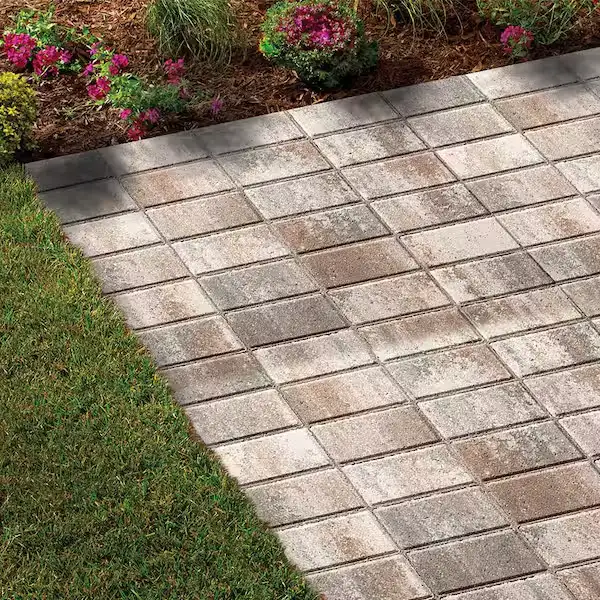
Paver color, shape, texture, and pattern affect more than appearance. Light colors stay cooler in sun. Textured surfaces can improve traction around pools. Larger formats create a cleaner modern look but need stable base preparation. Borders help define the patio and can hide small cuts along the edge. The best selection balances the house style, salt-air exposure, cleaning expectations, and how the patio connects to landscaping.
Patterns should be chosen with the patio shape in mind. A running bond, herringbone, modular pattern, or ashlar layout all handle cuts differently. We help homeowners avoid choices that waste material or create distracting sliver cuts at doors, steps, or curved edges. The goal is a finished patio that looks intentional from the house, the yard, and the main seating area.
What to Expect During Installation
Installation usually includes layout confirmation, access planning, excavation, base placement, compaction, bedding layer, paver setting, edge restraints, cuts, joint sand, cleanup, and final walkthrough. Larger projects may also coordinate lighting sleeves, irrigation adjustments, planting beds, seat walls, or outdoor kitchen utilities. Clear sequencing prevents one trade from damaging another part of the project.
Homeowners should expect some temporary disruption: material staging, equipment access, soil removal, and noise during compaction and cutting. A clear plan for driveway access, pets, gates, and irrigation zones makes the installation smoother. Way's Lawn and Landscape discusses those details before work begins so the crew can move efficiently and the homeowner knows what is happening each day.
Estimate Questions Worth Asking
Ask what base depth is included, whether drainage corrections are part of the proposal, how edge restraint is handled, what paver line is specified, and whether sealing is recommended for your setting. Ask how irrigation heads, downspouts, steps, fence gates, and planting beds will be protected or adjusted. A strong patio estimate should answer these questions clearly instead of treating every yard like the same rectangle.
Also ask how future additions will be handled. If you may add a pergola, outdoor kitchen, lighting, or seat wall later, the patio can be planned with sleeves, larger landing areas, stronger borders, or better service access now. Building with future phases in mind usually costs less than cutting into a finished patio later.
Planning Questions
Small patios may take several days once materials are on site. Larger patios, curved layouts, drainage work, steps, lighting sleeves, or outdoor kitchen coordination can extend the schedule. Weather also matters because heavy rain can delay excavation, compaction, and joint sand work.
Yes, but the base preparation has to be done correctly. Sandy soil drains quickly but can shift when the base is too shallow or poorly compacted. Proper excavation, compacted aggregate, bedding sand, edge restraint, and water management make the installation durable.
Sealing can help with color enhancement, stain resistance, and joint stability, but it is not always required immediately. The right answer depends on the paver type, shade, irrigation overspray, trees, pool exposure, and maintenance expectations.
Yes. The best installations consider planting beds, walkway connections, low-voltage lighting, irrigation, and drainage at the same time. Coordinating those details before installation produces a cleaner finished outdoor space.
Ready to Walk the Site?
Tell us about your property, timing, and goals. Way's Lawn and Landscape will follow up to schedule a free estimate.