
Guide Arrivals
Define the route from parking and driveway areas to the entry, including turns, steps and changes in elevation.
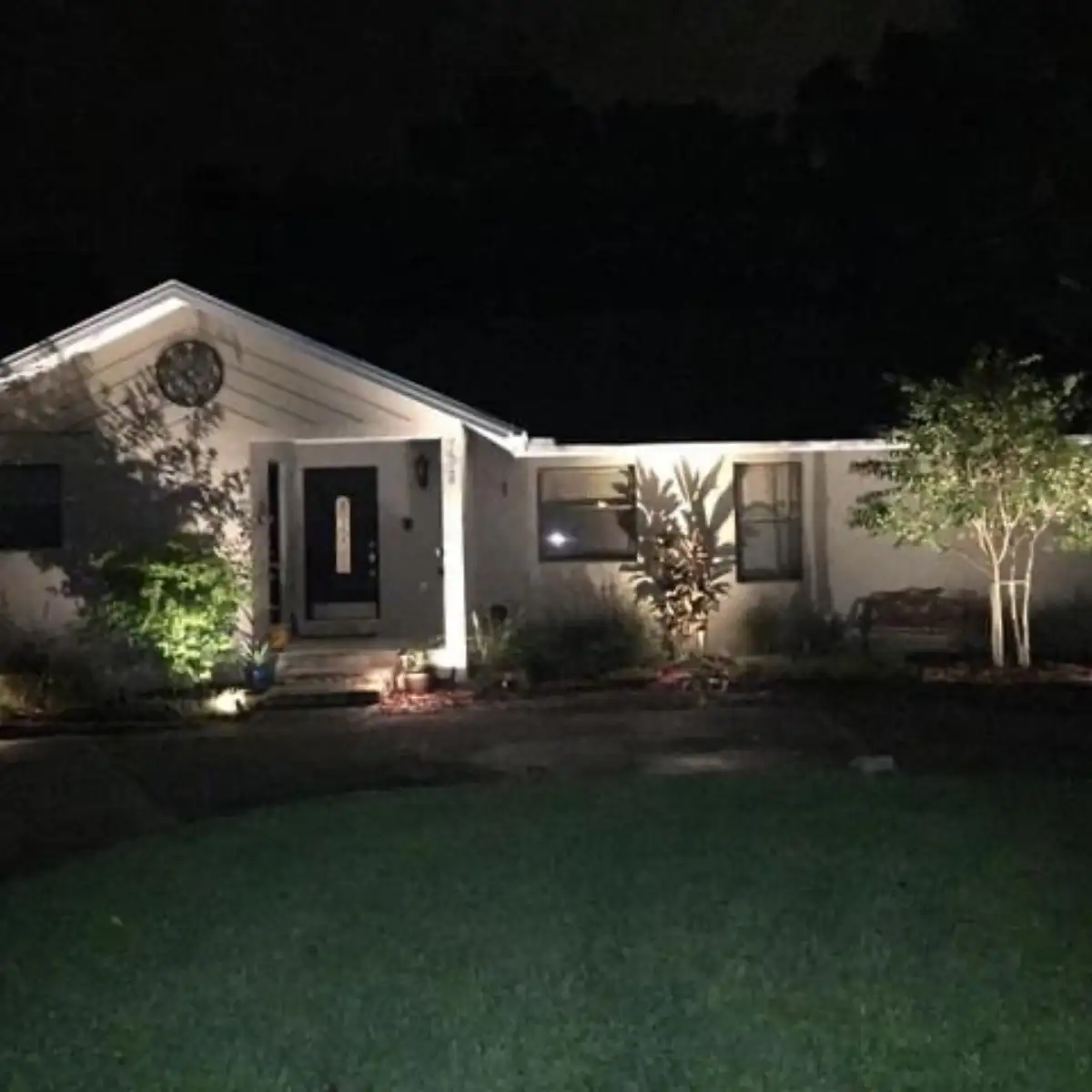
Purposeful low-voltage LED lighting for Scenic 30A entries, walkways, patios, plantings and outdoor living areas—planned around coastal moisture, sandy ground, rain, irrigation and comfortable nighttime use.
A good lighting plan begins with movement. It should help people find the front door, follow a walkway, see a step or patio edge and settle into an outdoor space without looking into a harsh source of light. Once those practical needs are covered, accent fixtures can add depth to palms, specimen trees, planting beds and architectural details.
Way's Lawn and Landscape LLC plans and installs low-voltage LED landscape lighting as a standalone improvement or as part of a larger outdoor project. The system can include path lights, uplights, downlights, step or hardscape lights, transformers and automatic controls. See the complete landscape lighting service, or start with the broader 30A landscaping and outdoor living guide.
Along 30A, the layout also needs to respect what is already happening on the property. Irrigation zones, drainage routes, planting growth, paver edges, narrow access points and exposure to coastal moisture can all affect where fixtures, wire and connections belong.
For vacation homes and shared outdoor spaces, the arrival route deserves particular attention. Guests may be finding parking, gates, stairs and doorways for the first time after dark, so the clearest plan often starts there before adding decorative accents.
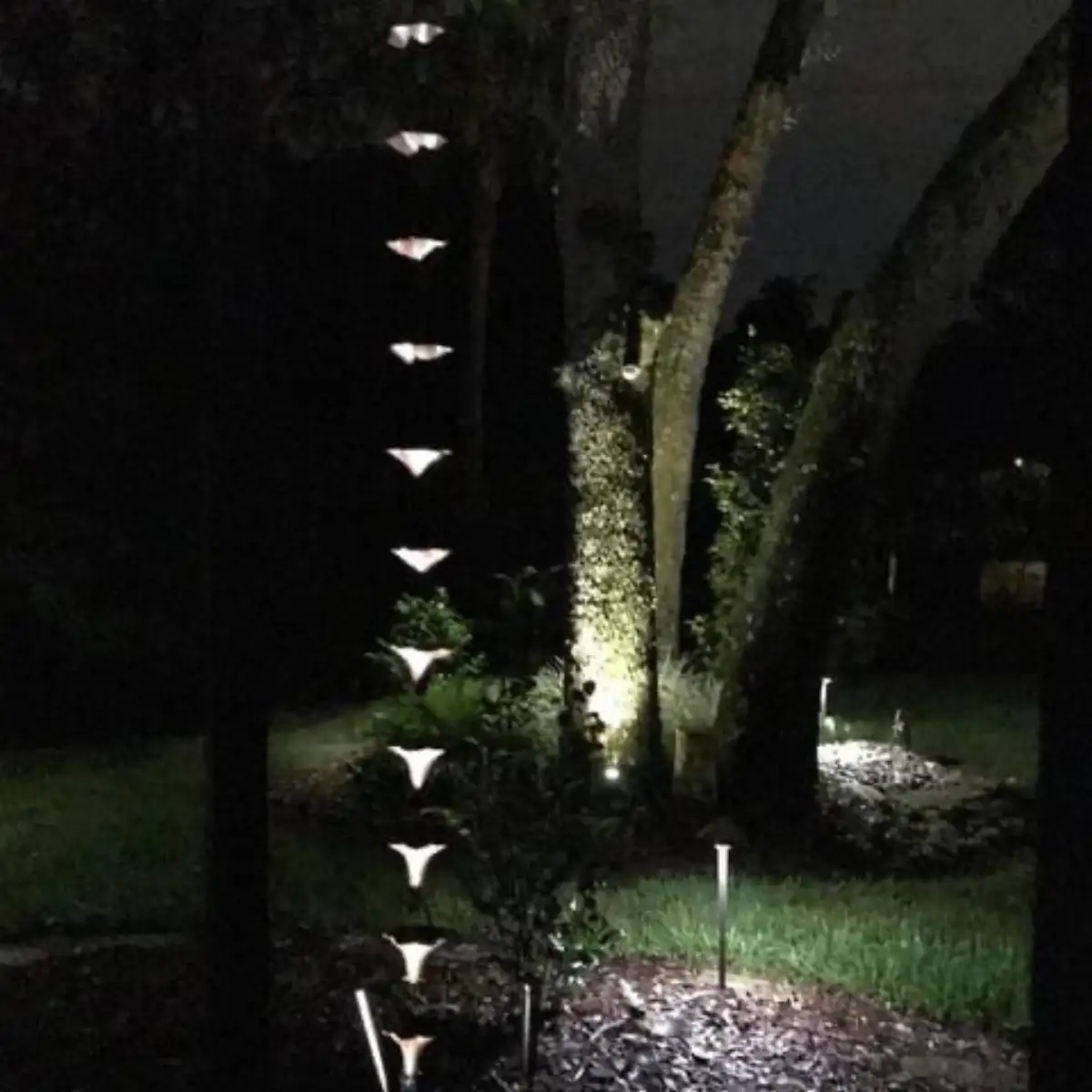
Fixture quantity matters less than knowing what every light is meant to do. A focused plan can keep the property comfortable, legible and easier to maintain.
Define the route from parking and driveway areas to the entry, including turns, steps and changes in elevation.
Add usable light around seating, dining, grilling and patio edges while keeping glare out of direct sightlines.
Use controlled beams to highlight selected trees, plantings or architectural surfaces instead of lighting everything equally.
Shield and aim light toward the intended surface, with extra care where neighbors, community standards or beach visibility are concerns.
There is no single fixture specification for every 30A property. A home closer to open coastal exposure may place different demands on finishes and connections than a more sheltered site. Actual exposure, drainage behavior and irrigation coverage should guide the choice—not a generic package.
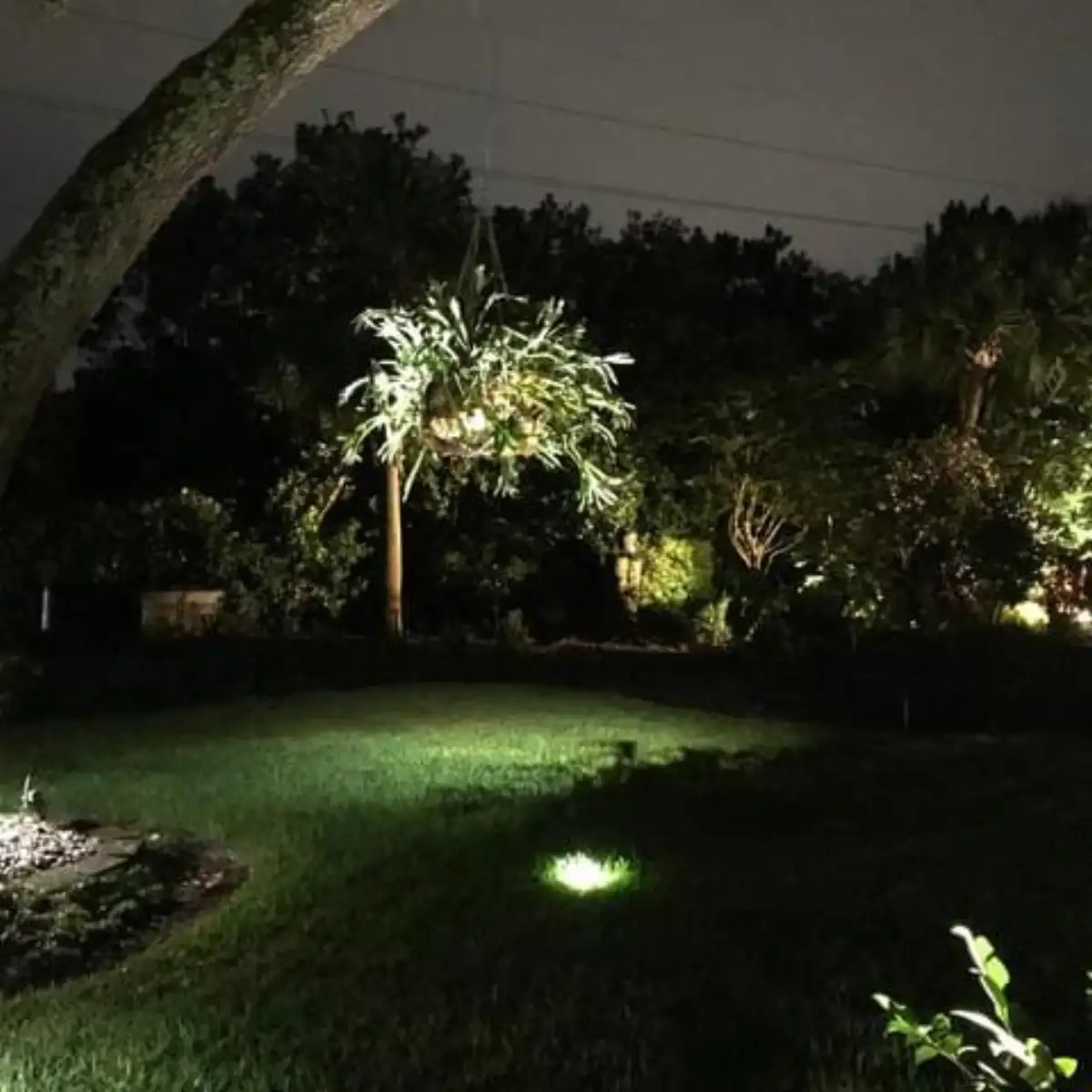
An estimate is most useful when it connects the desired nighttime result to the actual site. The review should identify the areas to be lit, likely fixture types, transformer location, control preferences, accessible wire routes and any existing systems that affect the work.
If the property is also receiving paver patios, landscaping, irrigation or drainage work, discuss the complete scope early. Sleeves and wire paths can often be considered before hardscape and planting areas are finished, reducing avoidable disturbance later.
Outdoor lighting is installed in a living landscape. A short periodic check helps preserve the intended pattern as the property changes through the year.
Wipe lenses, remove debris and restore fixture angles that have shifted after storms, yard work or normal use.
Keep growing plants from blocking beams, trapping moisture around fixtures or creating unexpected glare.
Look for exposed wire, damaged fixtures, corrosion, flicker or timer problems—especially after landscape or drainage changes.
Lighting performs best when the plan accounts for the landscape, hardscape and water systems around it. Review all Northwest Florida and Gulf Coast service areas, or explore nearby service-area guides for Santa Rosa Beach, Destin and Sandestin.
For another service-and-city planning example, see landscape lighting in Pensacola. When you are ready to discuss the 30A property, use the contact form and include the areas that feel too dark, any existing lighting and other outdoor work being considered.
A layered low-voltage LED plan can combine shielded path lights with carefully aimed accent lighting near the entry. The goal is to make changes in direction, steps and door approaches easier to see without putting a bright fixture in a guest's direct line of sight.
Fixture and connection choices should match the property's actual moisture and salt exposure. Wire routes should also avoid low areas and account for drainage, irrigation overspray and future landscape service so the system remains practical to maintain.
The estimate should identify the areas to be lit, likely fixture types and quantities, transformer location, control preferences, wire access, coordination with irrigation or hardscape, and site conditions that could affect installation. It should also clarify whether electrical or permit-related work needs separate review.
Yes. Planning lighting before pavers, planting beds, irrigation or drainage work is finished can make wire routes and sleeves easier to place and reduce later disturbance. Share the complete outdoor project during the estimate so the sequence can be discussed.
Yes. Occasional lens cleaning, plant trimming, fixture re-aiming and checks for exposed wire, corrosion or damage help preserve the intended light pattern. Timers may also need adjustment after power interruptions or changes to how the outdoor space is used.
Requirements depend on the scope and property. A low-voltage layout may be different from work involving new line-voltage power, panels or receptacles. Community standards and rules for properties near the beach can also affect exterior lighting. The applicable authority and licensed trade should be confirmed before regulated work begins.
Cost varies with the number and type of fixtures, transformer and control needs, wire access, property size, existing hardscape and landscaping, coastal exposure, and whether other electrical or outdoor work must be coordinated. An on-site estimate is the practical way to price the actual layout.
Tell us which entries, walkways, outdoor rooms or landscape features need better light and what other outdoor work is planned.