
Heavy Rain and Irrigation
Low spots, drainage paths, sprinkler heads and valve boxes affect where connections and fixtures belong. Keeping those systems visible during planning reduces overspray and avoids creating service conflicts later.
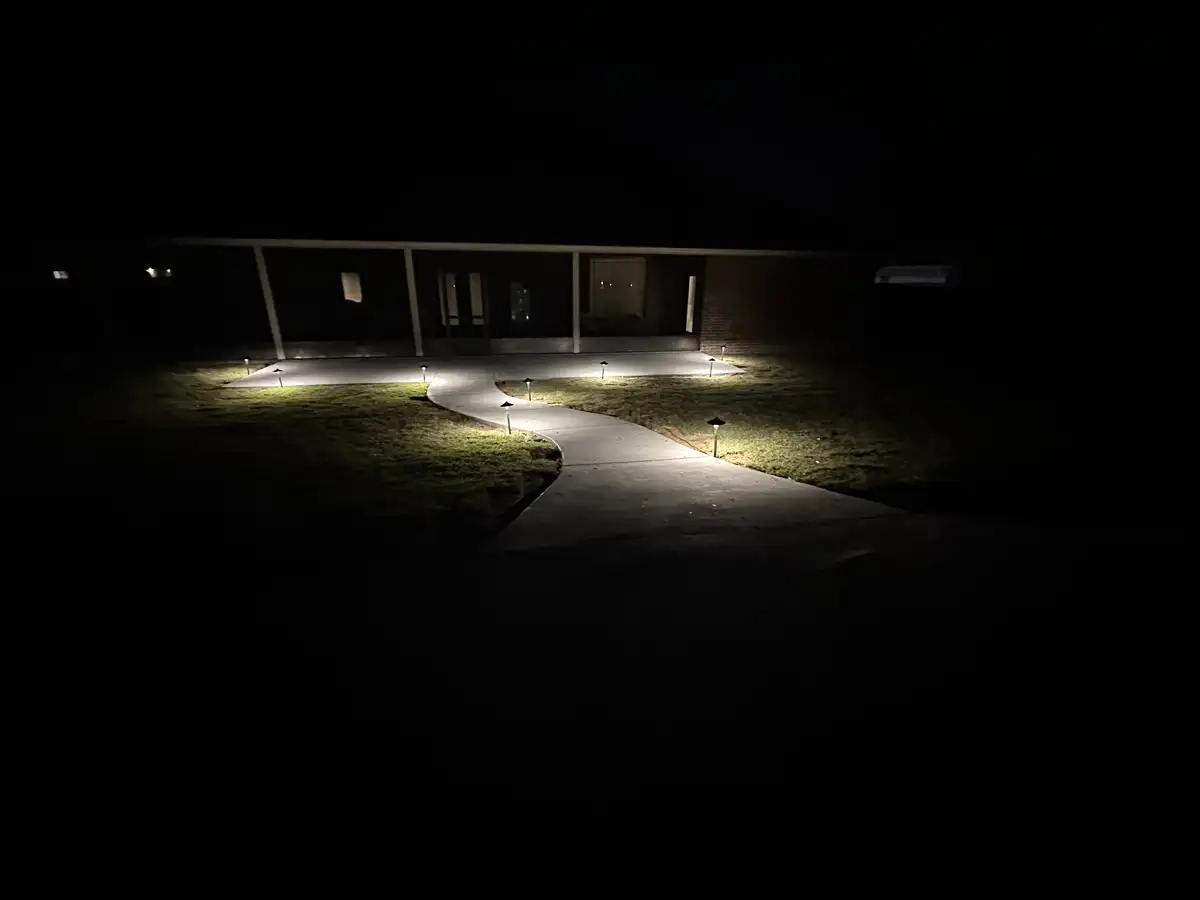
Low-voltage LED lighting for Pensacola walkways, entries, patios, trees and outdoor living areas, planned around Gulf Coast weather, irrigation, drainage and how the property is used after sunset.
Landscape lighting in Pensacola needs to do more than make the home look good from the street. A useful system should make entries easier to find, help guests move safely across walkways, define paver patio edges, improve driveway visibility and create a comfortable setting for evening use. The best plan starts with the way the property works at night, then matches each fixture to a clear job.
Way's Lawn and Landscape LLC designs and installs low-voltage LED lighting for Pensacola properties as both a standalone service and part of a larger outdoor improvement. That can include path lighting for front walks, uplighting for trees and architectural features, subtle light near patios or seat walls, and controls that turn the system on automatically. Explore the full landscape lighting service or see how it fits into broader landscaping and outdoor living work in Pensacola.
Pensacola properties also have practical site conditions that affect installation. Sandy soil, heavy summer rain, irrigation overspray, mature live oak canopies, compact urban lots and salt air closer to bay or beach areas all influence wire routes, transformer placement, fixture material and how connections should be protected. A lighting layout should account for those conditions before work begins.
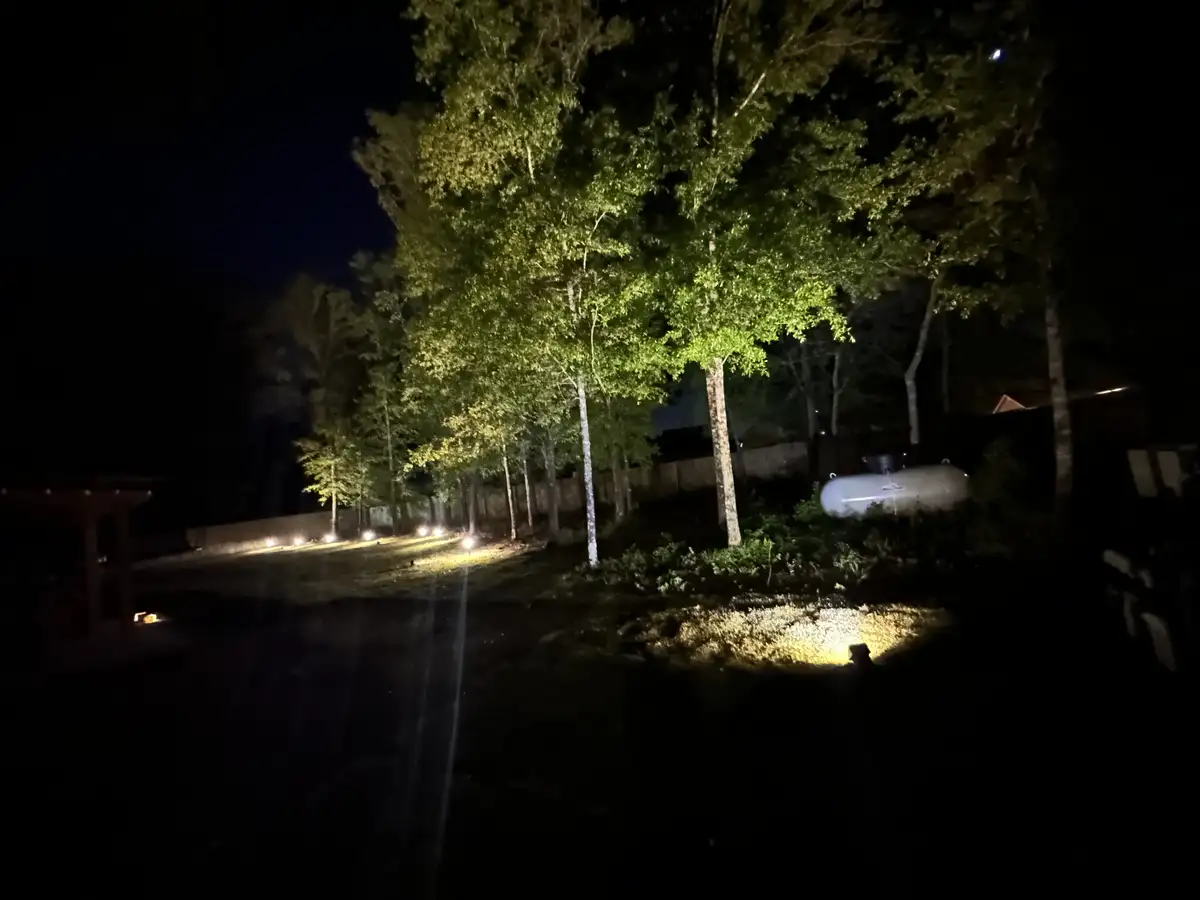
A Pensacola system should be laid out for the yard it is entering—not just for the number of fixtures on a proposal. These are the conditions we account for before wire routes and fixture positions are finalized.
Low spots, drainage paths, sprinkler heads and valve boxes affect where connections and fixtures belong. Keeping those systems visible during planning reduces overspray and avoids creating service conflicts later.
Conditions can become more demanding closer to bays and coastal water. Fixture material, protected connections and placement all matter when moisture and salt exposure are part of the setting.
Wire routes may cross turf, planting beds, paver edges or mature root zones. The route should limit disturbance now while leaving practical access for future landscape, patio or drainage work.
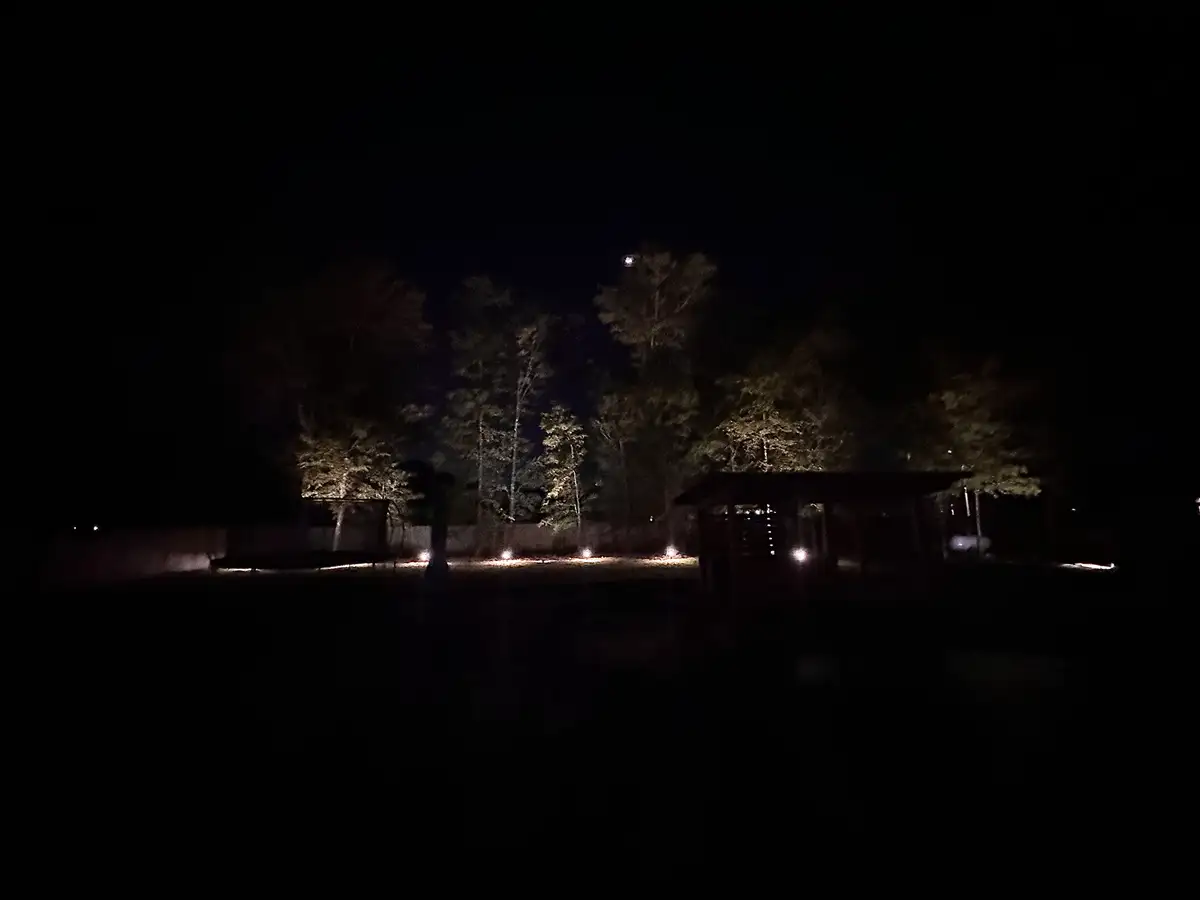
Most Pensacola residential systems use a mix of fixture types. Path lights define walkways and bed edges without shining directly into the eye. Uplights add depth to palms, live oaks, architectural columns and focal plantings. Hardscape or step lights can help around patios, seat walls and elevation changes. Wider wash lights can soften a wall, fence or planting backdrop when a patio needs more ambient light.
Warm white LED light is usually the best fit for residential landscapes because it is softer on plants, pavers and home exteriors. Very cool lighting can feel harsh in outdoor living areas and may create glare from light-colored surfaces. The aim is balanced visibility, not a floodlit yard. A smaller number of correctly aimed fixtures often looks better and performs better than too many fixtures installed without a plan.
Controls should be discussed before installation. Astronomical timers are common because they adjust with sunset and sunrise throughout the year. Smart controls can make sense when the property needs separate front, side and backyard zones or when the homeowner wants to control lighting from a phone. The right control setup depends on how often the outdoor space is used and whether future lighting phases are likely.
A helpful estimate should be clear about the areas being lit, the approximate fixture types, likely transformer location, control preferences, expected yard disturbance and any site conditions that could change the scope. If a home has irrigation, drainage concerns, mature trees or existing pavers, those items should be discussed before the installation date. This reduces surprises and helps protect the finished landscape.
We also look for opportunities to make the project more efficient. When lighting is installed at the same time as landscaping or hardscape work, wire routes and sleeves can often be planned before surfaces are finished. When the lighting is added to an existing yard, we focus on clean routing, practical access and fixture positions that do not interfere with mowing, plant growth or irrigation service.
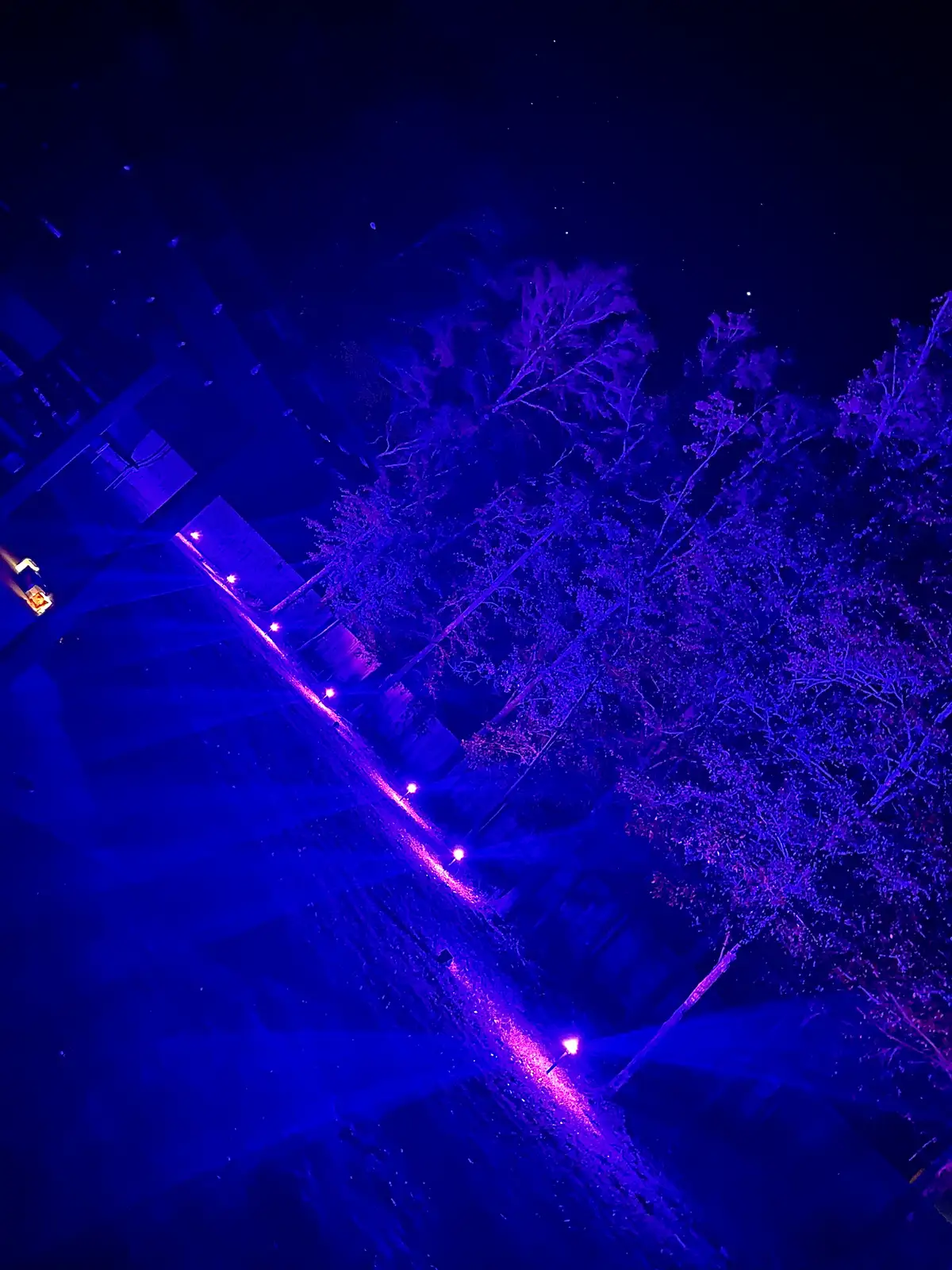
Path and entry lighting that helps guests move from parking areas to the door without harsh glare.
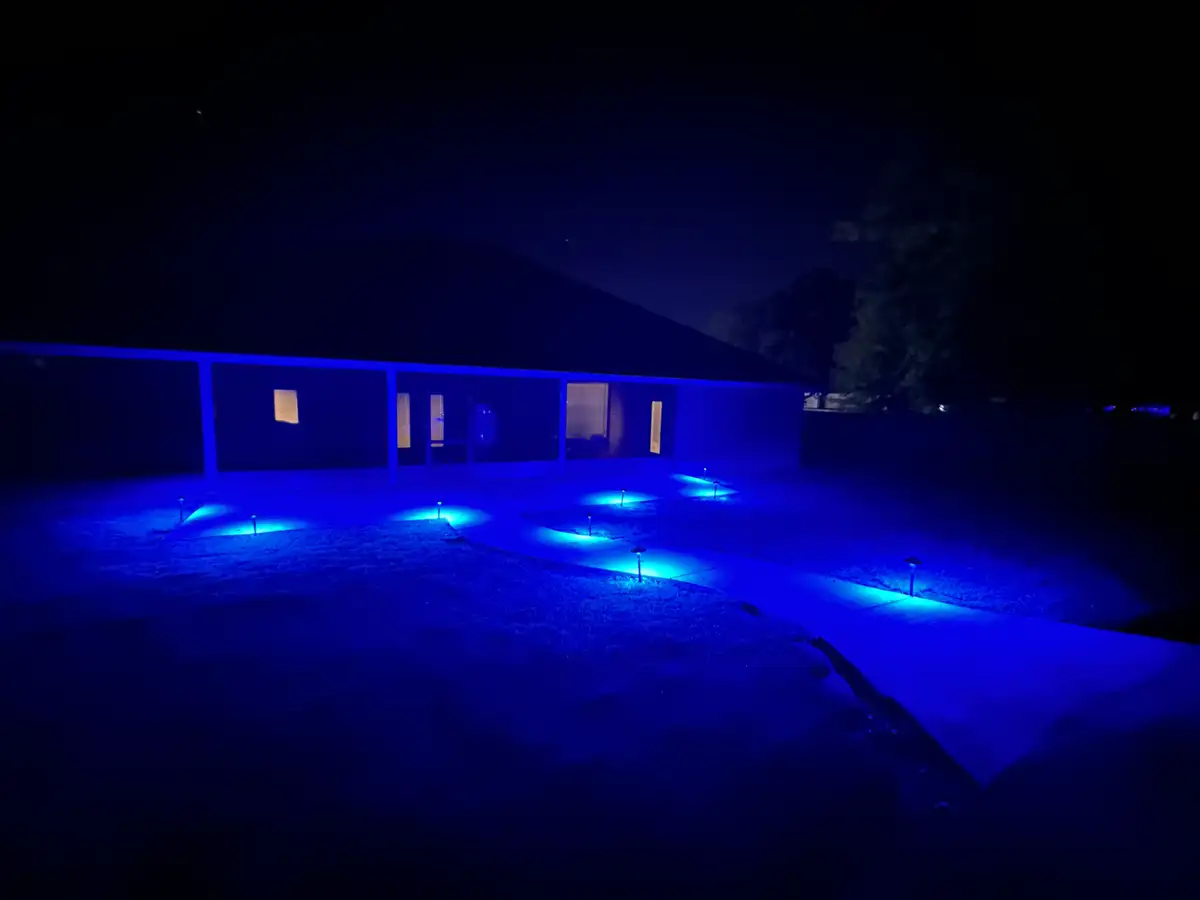
Uplighting and accent fixtures that highlight palms, oaks, planting beds and architectural features.
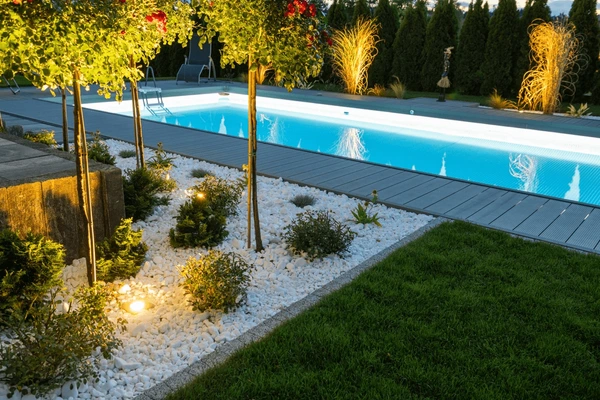
Lighting planned around seating, cooking, steps, paver edges and future outdoor living additions.
Way's provides landscape lighting across the communities listed in our Northwest Florida and Alabama Gulf Coast service areas. If the project combines lighting with other outdoor improvements, sharing the full scope early helps coordinate fixture placement, wire routes and the installation sequence.
Lighting also works best when it is planned alongside plantings, sod, bed edges and irrigation. If your outdoor project starts with the yard itself, read the guide to landscaping questions Pensacola homeowners ask before booking before finalizing the lighting path.
Nearby communities we serve include Milton, Pace, Gulf Breeze, Perdido and Navarre. Related services that often pair with lighting include paver patios, landscaping, outdoor living and irrigation systems.
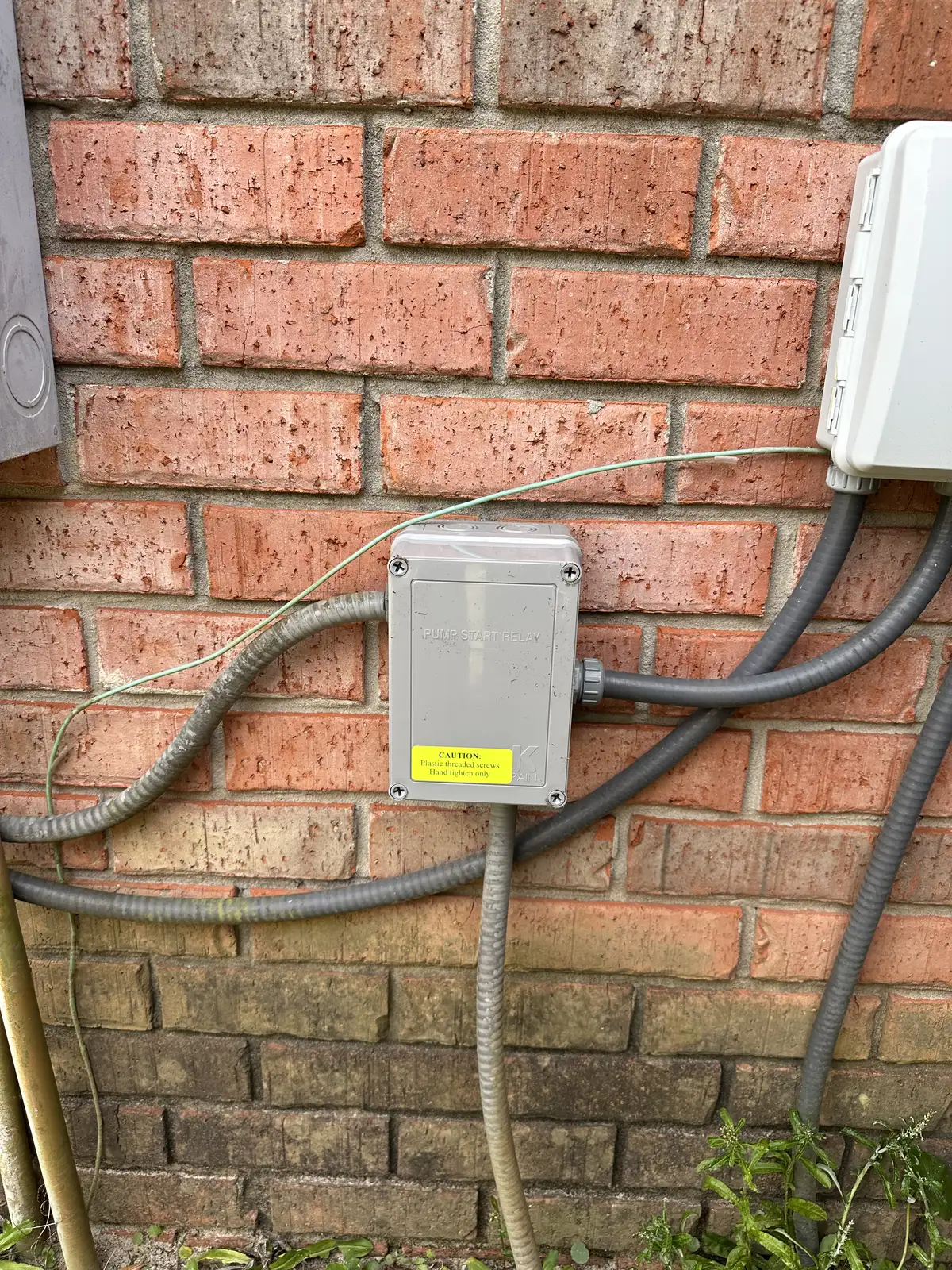
Yes. Way's Lawn and Landscape LLC installs low-voltage LED landscape lighting in Pensacola for walkways, entries, patios, trees, garden beds, driveways and outdoor living areas. Each layout is planned after reviewing the property, access, power location, irrigation and the areas that need better nighttime visibility.
In many cases, yes. Low-voltage lighting can usually be added to existing patios, walkways and planting beds with careful wire routing. The estimate should confirm where wires can run, where the transformer will be placed and whether any pavers, irrigation lines or planting areas need special care.
Astronomical timers are a strong default because they adjust to sunset and sunrise through the year. Smart controls can be useful when the lighting is divided into front-yard, driveway, side-yard or patio zones, or when the homeowner wants phone control and future expansion options.
Yes. Sprinkler heads, valve boxes, drip lines and wet areas should be reviewed before fixtures and wire paths are finalized. Good planning keeps connections out of saturated spots, reduces constant overspray on fixtures and makes both the lighting and irrigation systems easier to service.
Tell us where the property is, what areas feel too dark and whether lighting should coordinate with patios, landscaping, irrigation or drainage work.