
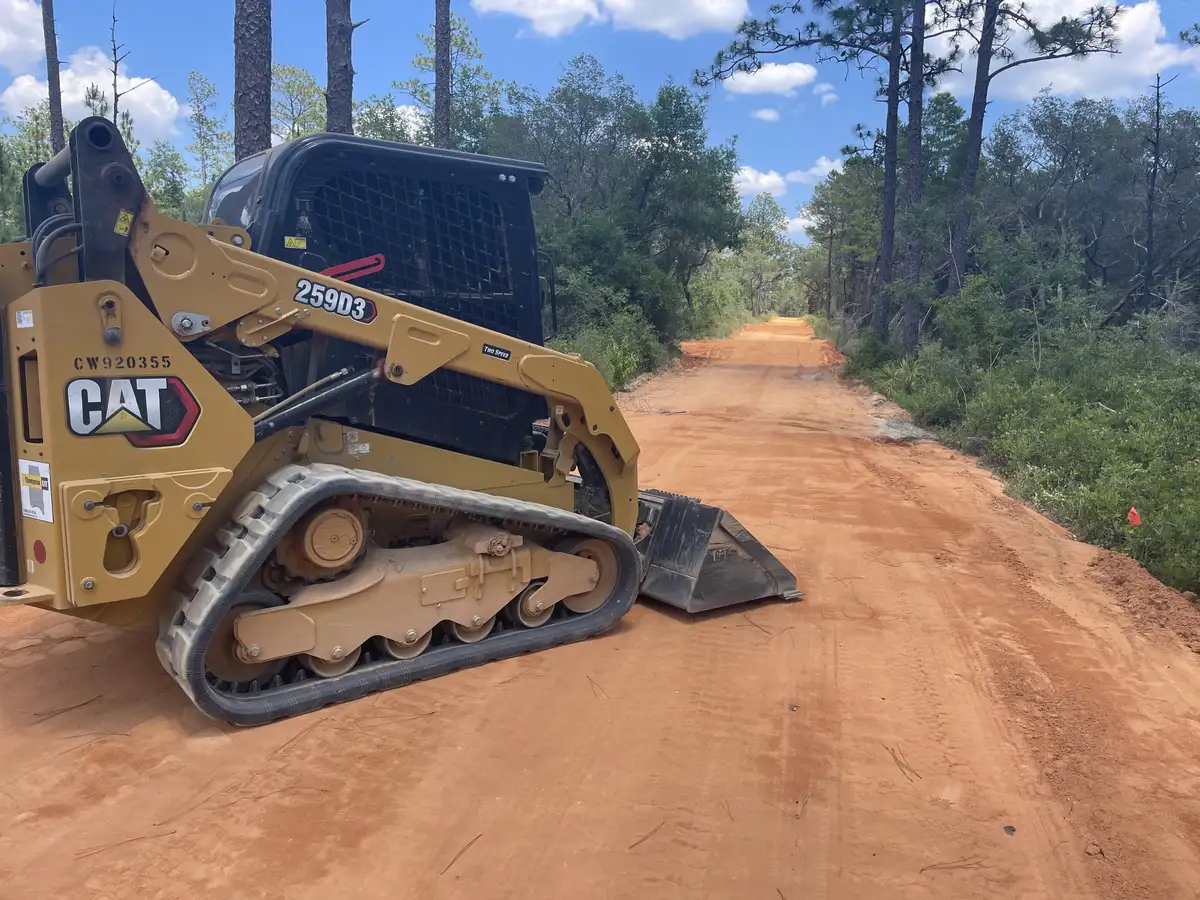
Forestry Mulching Service Planning
A service-planning guide for forestry mulching on overgrown lots, acreage, trails, fence lines, storm-damaged areas, and future landscape sites.
Forestry Mulching Is Selective Clearing
Forestry mulching is different from pushing everything into a pile. A mulching machine can grind brush, saplings, small trees, vines, and overgrowth in place, leaving organic material on the ground as a protective layer. That makes it useful for reclaiming overgrown areas, opening views, clearing trails, preparing fence lines, reducing fuel loads, and improving access without hauling every piece of debris away.
Way's Lawn and Landscape starts by identifying the goal for the property. A homeowner clearing a backyard edge needs a different approach than an acreage owner opening trails or a builder preparing a future landscape area. The goal determines what stays, what gets mulched, how clean the finish should be, and whether follow-up grading or landscape work is needed.
Site Conditions That Affect the Plan
Access, slope, soil moisture, tree size, debris density, stumps, utilities, fences, structures, and nearby desirable trees all affect forestry mulching. Wet ground can limit equipment movement. Tight gates may require alternative access. Heavy vines can hide hazards. Sandy soil may be easy to disturb if the operator is not careful. A site walk helps identify these issues before equipment arrives.
The best plan also marks what should remain. Mature trees, privacy buffers, specimen plants, drainage features, and property boundaries need to be understood before work starts. Selective clearing can improve a property while preserving shade and natural character, but only if the operator knows the intended outcome.
Mulch Layer and Erosion Control
The material left behind after mulching can help protect soil from direct rainfall impact, reduce erosion, and return organic matter as it breaks down. That is valuable on sandy Northwest Florida properties where bare soil can wash or dry quickly. The mulch layer also helps suppress some regrowth for a period of time, although it is not a permanent vegetation control solution by itself.
Depth and finish matter. Areas intended for walking trails, future sod, planting beds, or construction access may need a different finish than a natural buffer. If the site needs final grading, drainage work, or landscape installation later, that should be discussed before mulching so the finished surface supports the next phase.
Regrowth and Follow-Up Work
Forestry mulching removes above-ground vegetation, but some species can resprout from roots or seed. Privet, vines, small hardwoods, and invasive plants may need follow-up mowing, selective treatment, or repeated maintenance depending on the property goal. A realistic plan should explain what the first pass accomplishes and what may be needed to keep the area open.
For homeowners planning a finished landscape, mulching may be only the first step. The next phase could include grading, drainage, sod, planting, irrigation, or hardscape access. Way's Lawn and Landscape can connect the clearing work to those later improvements so the property does not sit in an unfinished state.
Where Forestry Mulching Helps Most
Common uses include reclaiming overgrown backyards, opening acreage trails, clearing fence lines, improving access to ponds or drainage areas, reducing storm debris, preparing lots for landscape work, and maintaining buffers around rural properties. It can also help property owners see grade, drainage, and tree structure before deciding on a larger project.
Mulching is not always the right tool. Large trees, structural removals near buildings, hazardous limbs, and work requiring stump grinding or excavation may need different equipment or specialists. A responsible estimate should define what is included and what is outside the scope so the homeowner understands the finished result.
Preparing for the Crew
Before forestry mulching begins, property owners should identify boundaries, utilities, septic components, irrigation, wells, fences, desired trees, and any areas that should not be disturbed. Pets, vehicles, stored materials, and outdoor furniture should be moved away from the work zone. Clear communication prevents accidental removal of plants or features the owner wanted to keep.
After the work, the property should be walked again. This is the time to discuss access improvements, drainage concerns, grading needs, erosion control, planting, sod, or maintenance. The cleared area often reveals opportunities that were hidden by overgrowth before the project started.
How We Define a Clean Finished Result
A successful forestry mulching job should match the future use of the property. A natural buffer can keep a rougher mulch layer and selected understory plants. A trail needs clearer edges, better sight lines, and a surface that can be walked or driven without hidden stubs. A future lawn or landscape area may need the mulch spread thinner, followed by grading, soil work, drainage corrections, or sod preparation. Those expectations should be agreed on before the machine starts.
We also look at what happens after the first pass. Mulching can reveal low areas, old debris, buried concrete, drainage swales, fence damage, or trees that were hidden by vines. If the owner wants the cleared area to stay open, the follow-up plan may include periodic mowing, selective treatment of aggressive regrowth, trimming along property lines, or converting part of the space to sod and planting beds. Without that plan, fast-growing Gulf Coast vegetation can reclaim edges quickly.
Access and neighbor impact are part of the finish as well. Crews need to protect driveways, avoid tracking material into streets, keep work away from desired trees, and leave entrances usable when the project is done. On residential properties, that may mean staging equipment carefully and walking the site with the owner at completion. On acreage, it may mean marking trails, corners, wet areas, and keep-out zones so the result is useful instead of just cleared.
Way's Lawn and Landscape approaches forestry mulching as the first step in making land usable. Whether the goal is privacy, access, fire-load reduction, storm cleanup, or preparation for a larger landscape project, the estimate should explain the intended finish, what will remain on site, and what optional next steps would improve the property.
Planning Questions
It can grind vegetation close to the surface, but it is not the same as deep stump grinding or excavation. Remaining root systems and larger stumps may need separate work depending on the future use of the area.
Usually the mulched material is left on site as ground cover. Hauling can be discussed if a cleaner finish is needed, but one advantage of mulching is reducing haul-off and burn piles.
Some vegetation can regrow from roots or seed. Follow-up maintenance may be needed, especially for aggressive species. The right plan depends on whether the area will remain natural, become lawn, or be developed.
Yes, it can be an effective first step. Future landscaping may still require grading, soil preparation, drainage, sod, planting, or irrigation after the overgrowth is removed.
Ready to Walk the Site?
Tell us about your property, timing, and goals. Way's Lawn and Landscape will follow up to schedule a free estimate.