
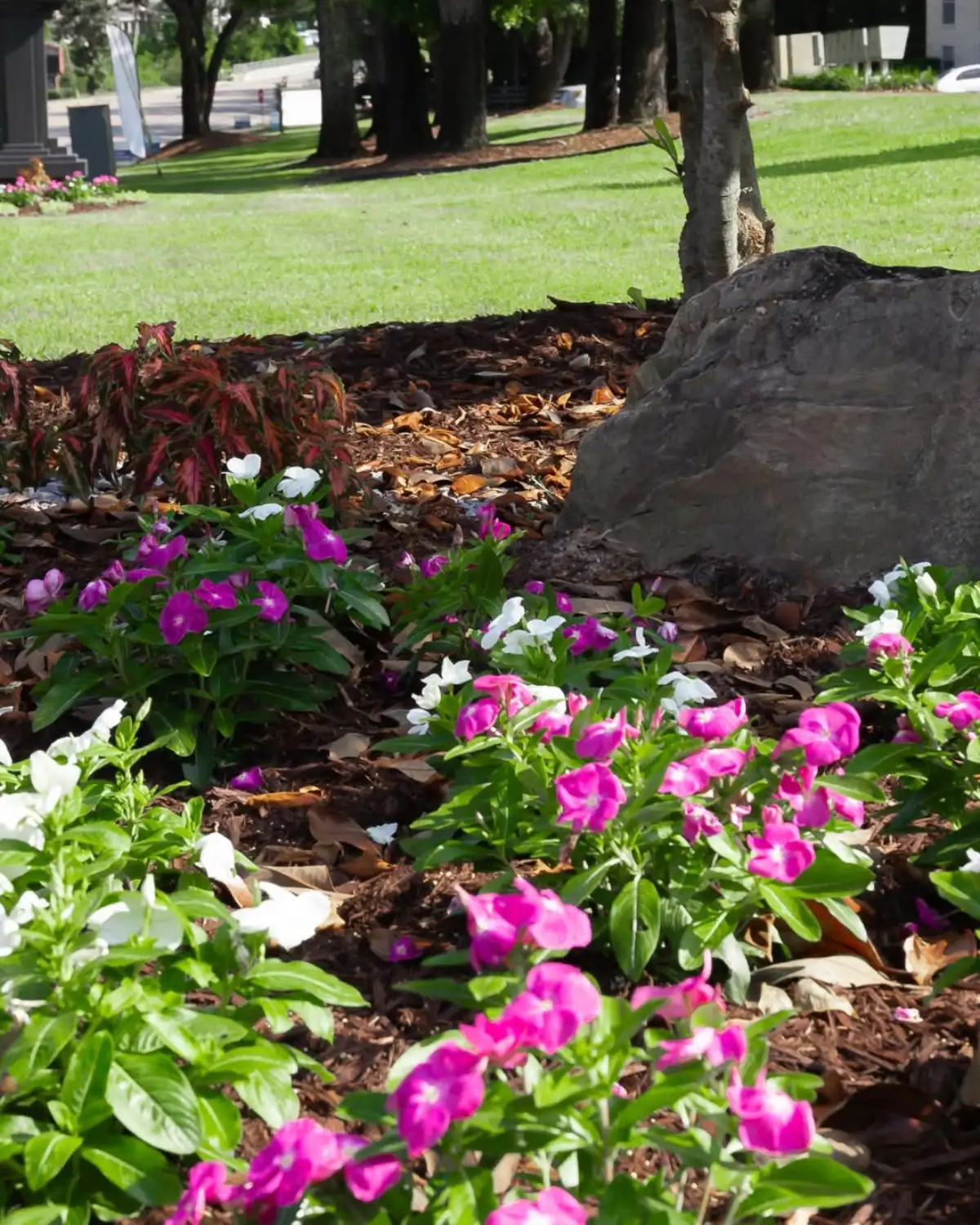
The single most important thing you can do for your Pensacola landscape right now is to get your irrigation system inspected and your beds mulched before the first 90-degree week hits. Those two tasks alone prevent the majority of summer lawn damage we see across Escambia and Santa Rosa counties every year. Below is a step-by-step guide covering everything from sprinkler checks to drainage prep, based on what we have learned maintaining properties from Pensacola to Orange Beach over the past 6 years.
Pensacola sits in USDA Hardiness Zone 8b/9a, which means our summers are defined by two things: sustained heat (daily highs above 90 from June through September) and intense rainfall (Pensacola averages 65 inches per year, with most of it concentrated in afternoon thunderstorms between June and October). Every item on this checklist is designed to help your landscape handle both.
1. Inspect and Tune Your Irrigation System
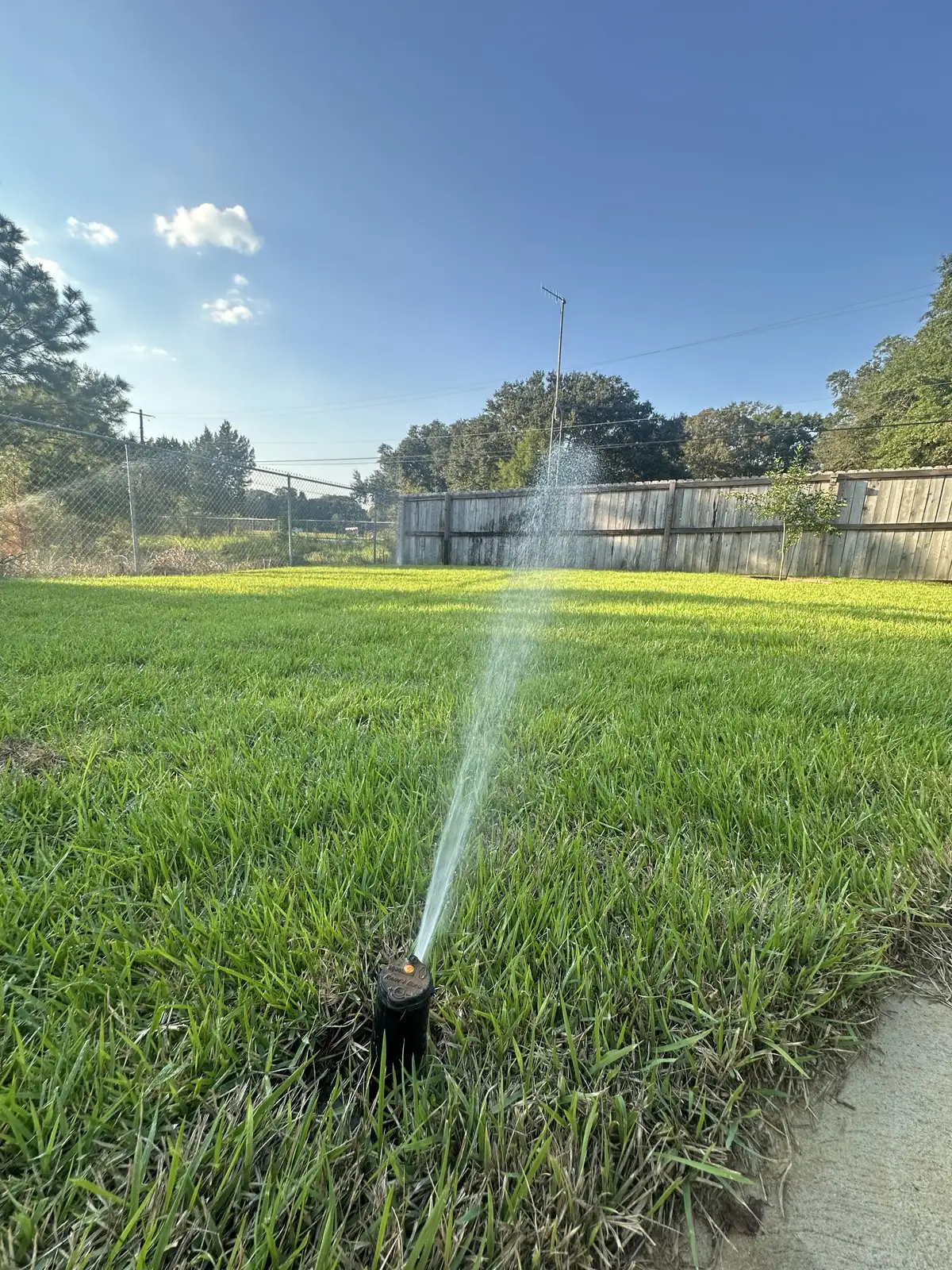
Your irrigation system is the single biggest factor in whether your lawn survives summer in good shape or goes into stress. Late April is when you want a professional inspection, not mid-July when the damage is already done.
What a Pre-Summer Irrigation Check Covers
- Head-by-head inspection -- Check every sprinkler head for clogs, broken risers, and misalignment. One stuck head can leave a 10-foot dead spot in your lawn by July.
- Zone pressure testing -- Verify each zone runs at the correct PSI. Low pressure means poor coverage; high pressure causes misting that wastes water and misses the root zone.
- Rain sensor verification -- Florida law requires a rain shut-off device on all automatic irrigation systems. If yours is not working, you are overwatering every time it storms and potentially facing a fine from the Northwest Florida Water Management District.
- Controller schedule adjustment -- Switch from spring watering times to a summer schedule. In Pensacola, the best irrigation window is between 4 AM and 9 AM, before evaporation rates spike.
- Backflow preventer test -- Required annually in Escambia County. A failed backflow device can contaminate your drinking water supply.
If your system is older than 10 years, or if you have areas of your lawn that always struggle in summer, consider upgrading to a smart controller. Wi-Fi-enabled controllers like the Hunter Hydrawise or Rachio 3 adjust run times automatically based on real-time weather data from Pensacola International Airport, which means they cut back when afternoon storms roll in and extend watering during dry stretches.
2. Refresh Your Mulch Before the Heat Sets In
Mulch is not just decorative. In our sandy Gulf Coast soil, it is one of the most effective tools for retaining moisture, regulating soil temperature, and suppressing the weeds that explode in May and June. A fresh 2 to 3 inch layer of mulch in your landscape beds can reduce soil moisture loss by up to 70% during peak summer heat.
Best Mulch Types for Northwest Florida
| Mulch Type | Cost (per yard) | Lifespan | Best For |
|---|---|---|---|
| Pine Straw | $5 - $8/bale | 6 - 12 months | Beds, slopes, acid-loving plants (azaleas, camellias) |
| Pine Bark Nuggets | $35 - $50/yard | 12 - 24 months | Flower beds, tree rings, pathways |
| Hardwood Mulch | $30 - $45/yard | 12 - 18 months | General landscaping, neat appearance |
| Melaleuca Mulch | $25 - $40/yard | 12 - 18 months | Budget option, good moisture retention |
Avoid piling mulch against tree trunks or shrub stems (the dreaded "mulch volcano"). Keep a 3-inch gap around the base of every plant. Mulch piled against bark traps moisture and promotes fungal disease, which spreads fast in Pensacola's summer humidity.
3. Address Drainage Issues Now, Not After the First Flood
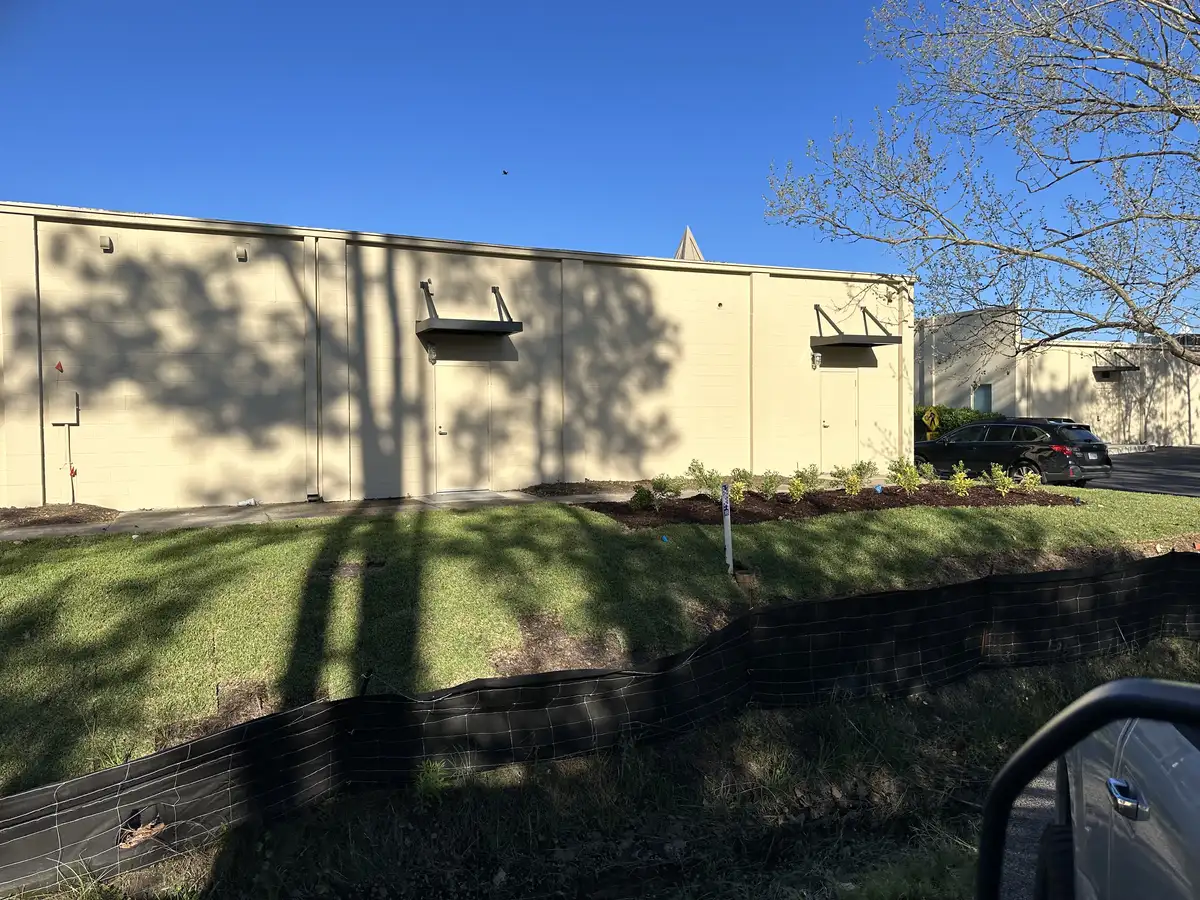
Pensacola's summer storm pattern is intense: 2 to 4 inches of rain can fall in under an hour during a typical afternoon thunderstorm. If your yard has low spots, poor grading near the foundation, or overwhelmed gutters, that water has to go somewhere. Drainage problems that are barely noticeable in spring become yard-destroying floods in July.
Warning Signs to Watch For
- Standing water 24+ hours after rain -- Indicates poor grading or compacted soil
- Soggy spots near the foundation -- Can lead to moisture intrusion and foundation settling
- Erosion channels in beds or turf -- Water is moving too fast across unprotected soil
- Gutter downspouts dumping onto landscape -- Concentrated water flow damages beds and washes out mulch
- Neighbor's runoff flowing onto your property -- Common in newer Pensacola subdivisions with minimal grading
Solutions range from simple grading adjustments and downspout extensions to French drains and catch basin systems. The key is addressing these before the rainy season, when the ground is still workable and contractors are not in emergency-repair mode.
4. Evaluate Your Sod and Turf Health
Late April is an excellent time to assess your lawn's condition and make repairs before the heat stresses everything further. Whether you have St. Augustine, Bermuda, or Zoysia, the goal is the same: go into summer with a thick, healthy turf that can handle 90-degree days and competing with weeds for resources.
Spring Lawn Checklist for Pensacola
- Mowing height -- Raise your mower blade. St. Augustine should be cut at 3.5 to 4 inches and Bermuda at 1.5 to 2 inches heading into summer. Taller grass shades the soil, retains moisture, and crowds out weeds.
- Bare or thin spots -- Patch now with fresh sod. New sod installed in late April has 4 to 6 weeks to root before peak heat arrives. Waiting until June cuts that establishment window in half.
- Weed pressure -- Pre-emergent herbicide should have been applied in February or March. If crabgrass and spurge are already present, use a targeted post-emergent before they seed and spread.
- Soil pH -- Northwest Florida's sandy soil tends to be acidic (pH 5.0 - 6.0). If your lawn is yellowing despite adequate water, a soil test through the UF/IFAS Escambia County Extension Office ($10) can identify whether lime or specific nutrients are needed.
- Chinch bug check -- These pests are the number one lawn destroyer in the Pensacola area. Look for irregular yellowing patches in sunny areas of St. Augustine grass, especially near sidewalks, driveways, and south-facing edges where it is hottest.
5. Prune and Shape Plants Before the Growth Surge
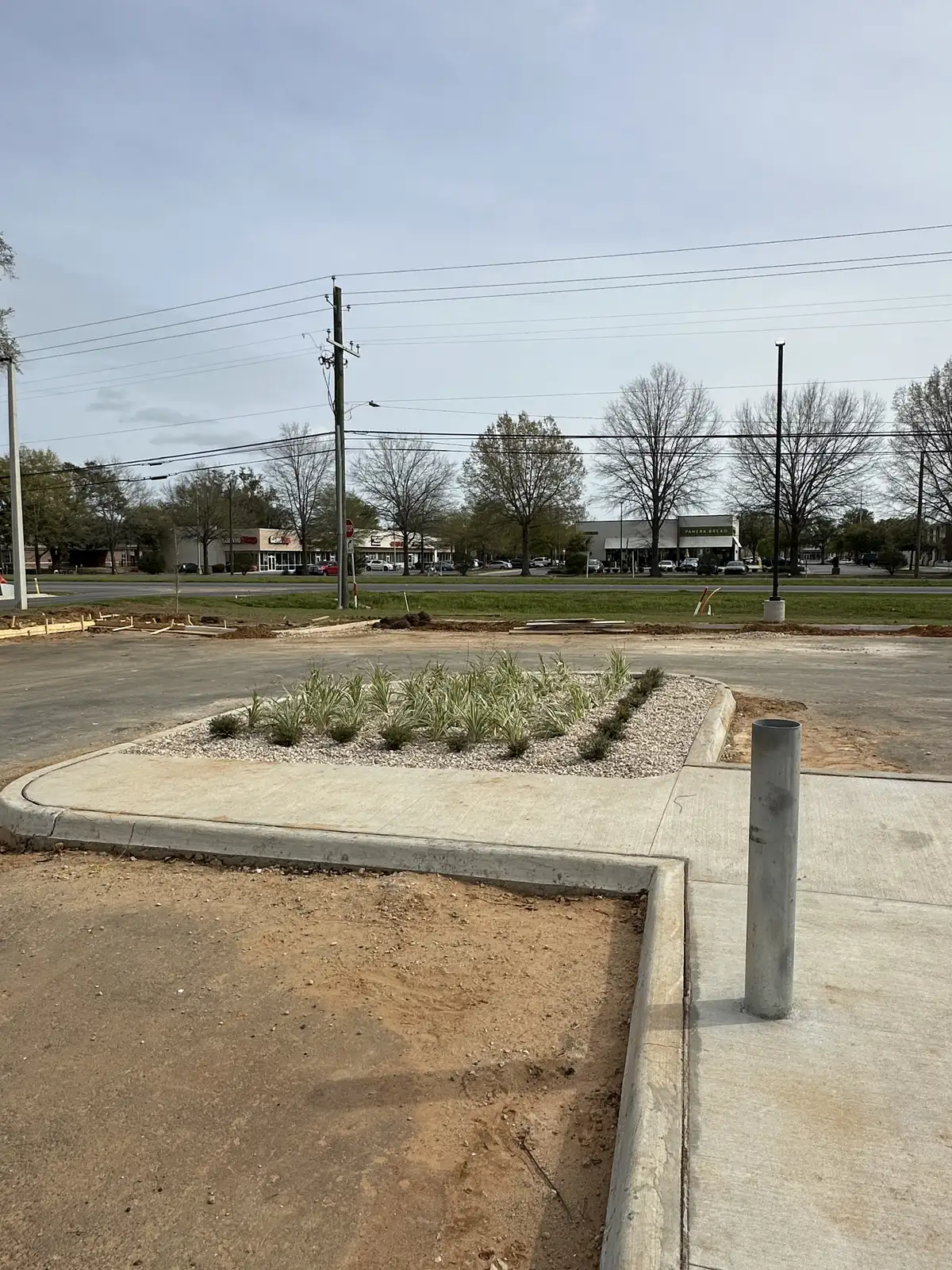
Northwest Florida's growing season hits full speed in May. Most ornamental shrubs, hedges, and flowering plants should receive a shaping prune in late April so they go into summer with a clean structure. Major pruning after June stresses plants during peak heat and can trigger sunburn on newly exposed interior branches.
Pensacola-Specific Pruning Guidelines
- Azaleas -- Prune immediately after blooming (typically late March to mid-April). Pruning later removes next year's flower buds.
- Crepe myrtles -- Do NOT "crepe murder" them (topping). Remove only crossing branches, suckers, and seed pods. Crepe myrtles bloom on new growth and will flower naturally without heavy cutting.
- Palms -- Remove only fully brown, hanging fronds. Over-pruning live green fronds weakens the tree and provides less hurricane wind resistance.
- Hedges (ligustrum, viburnum, holly) -- Shape now, then plan one more trim in mid-July to keep them tight through fall.
For properties with overgrown lots or undeveloped acreage, late spring is also the ideal time for forestry mulching to clear brush and create defensible space before wildfire season and hurricane season overlap in late summer.
6. Plan Your Landscape Lighting Early
Summer in Pensacola means longer evenings outdoors. If you have a paver patio, outdoor kitchen, or pool area, landscape lighting extends your usable hours from dusk well into the night. Late April installations are ready to enjoy by Memorial Day weekend, right when outdoor entertaining season kicks off on the Emerald Coast.
LED landscape lighting also serves a practical purpose: illuminated walkways and steps reduce trip hazards after those fast-moving summer thunderstorms leave wet surfaces. Path lights, step lights, and uplighting on architectural features all add both safety and curb appeal.
7. Protect Your Hardscape Investment
If you have a paver patio or retaining walls, summer prep includes checking polymeric sand joints for erosion, power washing any mold or algae buildup from spring, and verifying that drainage away from hardscape surfaces is working properly. Algae growth accelerates dramatically in Pensacola's summer humidity, and a simple power wash in April is far easier than trying to remove months of established growth in August.
For retaining walls, check for any lean, bulging, or failed drainage behind the wall. Water pressure behind a retaining wall is the number one cause of failure, and our summer rainfall makes this a critical inspection point.
Your Summer Prep Checklist at a Glance
- Irrigation system inspection and schedule adjustment
- Fresh mulch in all landscape beds (2-3 inches)
- Drainage assessment and repairs
- Sod repair for bare or thin spots
- Fertilizer application (slow-release, high potassium)
- Pruning and shaping before growth surge
- Landscape lighting project or check
- Hardscape cleaning and joint sand inspection
- Chinch bug and pest monitoring plan
When to Schedule Your Summer Prep
The ideal window for Pensacola summer landscape prep is late April through mid-May. Here is why timing matters:
- Late April -- Soil temperatures reach 65-70 degrees, perfect for new sod rooting and mulch application. Irrigation systems can be tested before peak demand.
- Early May -- Last window for major plantings before heat stress becomes a factor. Drainage work is still feasible before the ground saturates.
- Late May -- Final opportunity for pruning without impacting summer bloom cycles. Lighting installations can be completed before Memorial Day entertaining.
- June onward -- Reactive mode. Emergency repairs cost more, new plantings struggle, and contractor schedules fill up with hurricane prep and storm damage calls.
The takeaway is straightforward: proactive prep in April and May costs less and produces better results than reactive fixes in July and August. Every dollar spent on prevention returns three to five dollars in avoided replacements, repairs, and water waste.
Ready to Get Your Property Summer-Ready?
We handle complete summer prep for residential and commercial properties across Pensacola, Gulf Breeze, Navarre, Destin, Fort Walton Beach, 30A, and the surrounding Gulf Coast. One visit, one crew, everything handled.
Get Your Free EstimateFrequently Asked Questions
When should I start preparing my lawn for summer in Pensacola?
Late April through mid-May is the ideal window. Pensacola's summer heat and daily rain pattern typically kicks in by early June, so completing irrigation checks, mulching, and any new plantings before Memorial Day gives everything time to establish before the stress of 90-degree days and afternoon thunderstorms.
How often should I water my lawn in a Pensacola summer?
Most Pensacola lawns need 1 to 1.5 inches of water per week during summer, including rainfall. With our typical afternoon thunderstorms providing some of that, your irrigation system should supplement rather than replace rain. Water deeply 2 to 3 times per week in the early morning (before 10 AM) rather than lightly every day. A smart controller with a rain sensor prevents overwatering after storms.
What type of mulch is best for Northwest Florida summers?
Pine straw and pine bark nuggets are the top choices for Northwest Florida. Pine straw is lightweight, lets water pass through easily, and stays in place during heavy rain. Pine bark nuggets break down slowly and add organic matter to our sandy soil. Avoid cypress mulch (harvested unsustainably in Florida) and rubber mulch (retains too much heat). Apply 2 to 3 inches for beds and 3 to 4 inches around trees.
Should I fertilize my Pensacola lawn before summer?
Yes, but timing matters. Apply a slow-release fertilizer in late April or early May before the rainy season begins. Use a formula with higher potassium (the third number) to strengthen roots and improve heat and drought tolerance. Avoid high-nitrogen quick-release fertilizers in late spring -- they push top growth that the grass cannot sustain in summer heat, and excess nitrogen runs off during heavy rain into Pensacola Bay.
How much does a full summer landscape prep cost in Pensacola?
A comprehensive summer prep package -- including irrigation system inspection and adjustment, fresh mulch, targeted pruning, and a fertilizer application -- typically runs $800 to $2,500 for an average Pensacola residential property, depending on yard size and scope. Individual services like irrigation checks start around $150, while full mulch refreshes for typical beds run $300 to $800.