
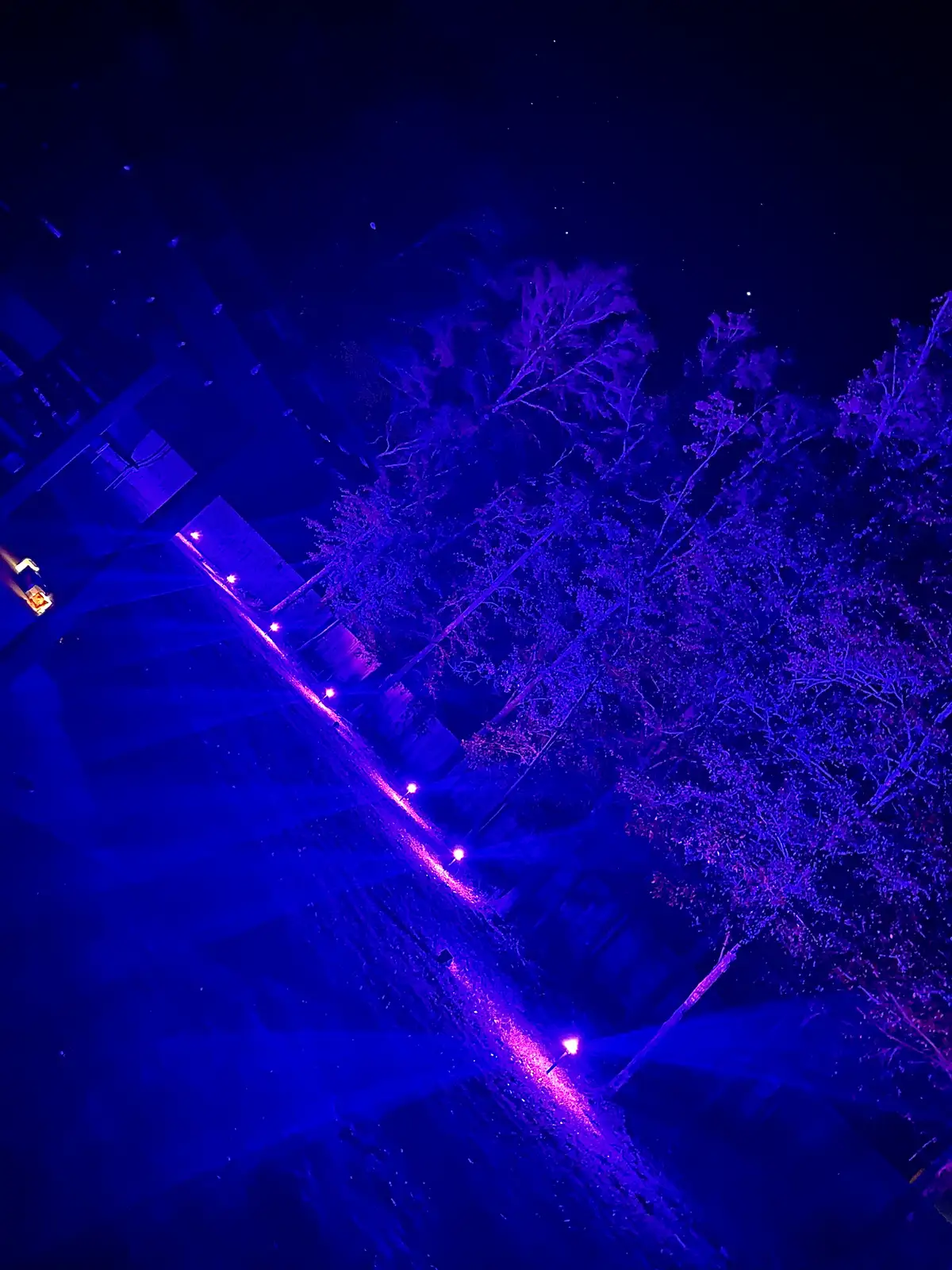
Milton homeowners usually start researching landscape lighting because one part of the property stops working well after sunset. The front walk may feel too dark for guests, the driveway may need better visibility, the patio may disappear at night, or the trees and planting beds may look unfinished once the sun goes down. A good lighting plan solves those problems without creating glare, wet connections or a system that has to be moved during the next landscape project.
Way's Lawn and Landscape LLC installs low-voltage landscape lighting for Milton and nearby Northwest Florida properties. Because many local yards include irrigation, sandy soil, drainage routes, mature trees, paver edges and larger side yards, the best estimate starts with site conditions instead of a generic fixture count. These are the questions worth answering before you book a lighting project.
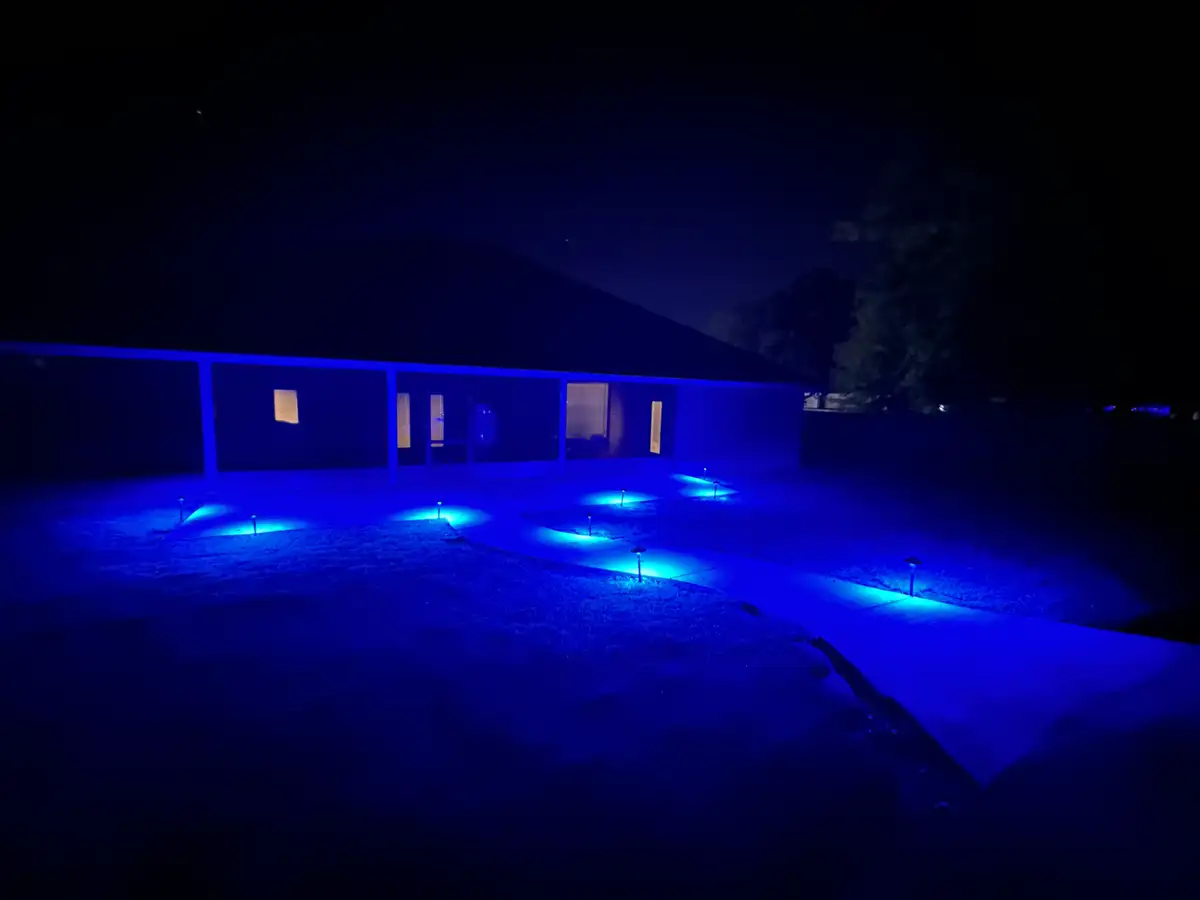
Which areas should be lit first?
Start with the parts of the property people actually use after dark. For many Milton homes, that means the walkway from the driveway to the door, the front entry, side-yard access, patio edges, steps, gates and any route guests use when parking away from the main entrance. Decorative lighting can come next, but safety and usability should lead the layout.
Once those areas are clear, accent lighting can add depth to trees, palms, architectural details, retaining edges and planting beds. The strongest residential lighting layouts balance both goals: enough light to move comfortably, but not so much that the yard feels harsh or commercial. If the project connects to a paver patio or outdoor living space, lighting should be discussed before hardscape edges, sleeves and seating areas are finalized.
How many fixtures does a Milton yard need?
There is no useful one-size-fits-all number. A small front-entry project may need a focused group of path lights and uplights. A larger lot may need separate driveway, entry, side-yard and backyard zones. Fixture count depends on distance from power, transformer capacity, bed shape, tree placement, grade changes, wiring access and whether the system needs room for future phases.
The better question is where each fixture needs to do a job. A path light should guide movement without shining into the eyes. An uplight should highlight a tree or wall without blasting a window. A patio light should make the space usable without overpowering conversation areas. A site walk-through helps decide where lighting adds value and where it would simply add clutter.
Can lighting be installed without tearing up the yard?
In many cases, yes. Low-voltage wiring is usually routed through planting beds, mulched areas or shallow lawn cuts, then connected to a transformer near a suitable power source. Existing landscapes do require careful planning. The installer should look for sprinkler heads, valve boxes, drip lines, drainage paths, hardscape edges, roots and mower routes before placing wire or fixtures.
That matters in Milton because properties can range from compact neighborhood lots to larger Santa Rosa County yards with longer runs and darker side areas. If irrigation repairs, drainage work, sod installation or landscaping are planned, mention those during the lighting estimate. Coordinating the work can reduce rework and keep connections away from saturated spots. Pensacola lighting projects benefit from the same coordination, especially where salt air, compact side yards or older tree roots affect the layout.
What controls should the system use?
Most homeowners want outdoor lighting to run automatically. Astronomical timers are a strong fit because they adjust to sunset and sunrise through the year. Photocells can work well in simple systems but need the right location so they are not confused by nearby light sources. Smart controls can make sense when the property has separate front, side, driveway and backyard zones or when future expansion is likely.
Ask about transformer size, zone planning and how additions would be handled later. If the first phase is entry and walkway lighting but the backyard patio may be added next year, planning for extra capacity or cleaner wire routes now can save disruption later.
How do rain, irrigation and drainage affect lighting?
Northwest Florida lighting systems need to be planned around water. Heavy summer rain, irrigation overspray, low areas and downspout discharge points can all affect fixture life and service access. Connections should not sit in areas that stay wet after storms. Fixtures should be placed where sprinkler spray will not constantly hit lenses and housings. Wire paths should avoid spots that may be excavated later for drainage improvements.
If the property already has standing water, washout or soft soil, it may be wise to review drainage solutions before lighting is installed through the same area. If the lawn needs a sprinkler upgrade, lighting and irrigation systems should be coordinated so both systems remain easy to maintain.
What should a lighting estimate include?
A useful estimate should explain the areas being lit, the fixture types recommended, likely transformer placement, control options, wire routing and any site conditions that could affect installation. It should also identify practical concerns such as irrigation conflicts, wet areas, hardscape edges, tree roots, access limitations and future phases.
Before the visit, think through where the property feels too dark, where guests walk, which areas you want to enjoy at night and whether you plan to add landscaping, sod, a patio, a pergola or outdoor kitchen later. You do not need a finished design before calling. A clear conversation about how the property is used is enough to make the first estimate more accurate.
Ready to plan landscape lighting in Milton?
Way's Lawn and Landscape LLC designs and installs low-voltage lighting for Milton entries, walkways, patios, trees, driveways and outdoor living areas. Tell us where the property is and what you want to improve, and we will follow up to schedule a site visit.
Request a Free EstimateFrequently Asked Questions
What should Milton homeowners ask before booking landscape lighting?
Ask what areas will be lit, where the transformer will be placed, how wire routes avoid irrigation and drainage conflicts, what fixture types are recommended, how the system turns on and off, and whether future patio or landscape phases should be planned now.
Can landscape lighting be installed on an existing yard?
Yes. Low-voltage lighting can usually be added to existing lawns, planting beds, walkways, paver patios and outdoor living areas after a site visit confirms power access, wire routing, fixture placement, irrigation lines and wet areas.
Does irrigation affect landscape lighting placement?
Yes. Sprinkler heads, valve boxes, spray patterns and drip lines should be reviewed before fixtures and wiring are placed. Good planning reduces overspray on fixtures, protects buried wire routes and keeps both systems easier to service.
What kind of controls are best for residential landscape lighting?
Many residential systems use an astronomical timer because it adjusts to sunset and sunrise through the year. Smart controls can make sense for larger properties or phased systems with separate front, side, driveway and backyard zones.