
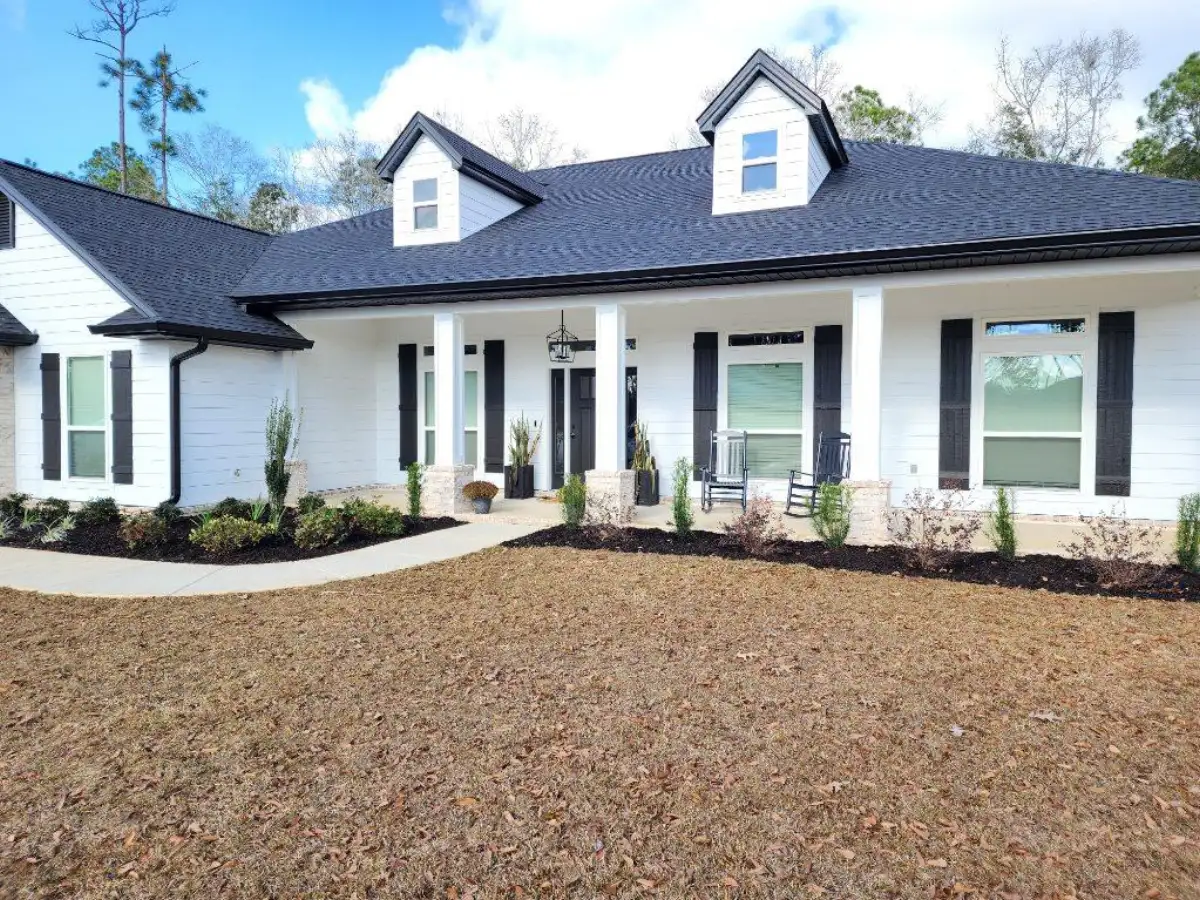
The best time to resolve landscaping questions is before plants, soil and equipment arrive. A clear proposal should connect the look you want with the conditions already present: sun and shade, wind exposure, soil, water movement, irrigation, access and the amount of care the property will receive.
That matters whether you are improving a primary residence, preparing a second home for easier upkeep or refreshing a property used by guests. Start with the questions below, then review Way's Lawn and Landscape LLC's landscaping services and Santa Rosa Beach service-area guide.
What problem should the finished landscape solve?
“Make the yard look better” is a reasonable starting point, but it is not enough to define the work. Identify the outcomes that matter most: a more welcoming entry, privacy around an outdoor area, safer movement along a walkway, planting beds that fit the home, less exposed soil, easier upkeep or a cleaner transition between lawn and hardscape.
Also identify what must remain. Existing trees, irrigation, utilities, fences, patios and routes used by guests or service providers can shape the plan. If the property is occupied only part of the year, tell the contractor who will monitor watering and plant stress between visits.
How does the plan respond to conditions around the home?
Conditions can change from one side of a house to another. A front bed may receive full sun and reflected heat while a side yard stays shaded or holds water. Wind and salt exposure can also vary by how open or sheltered the property is. Ask why each proposed plant fits its exact location, not simply whether it is commonly used along the Gulf Coast.
Review mature height and width before approving quantities and spacing. A small installation plant may eventually block a window, crowd a walkway or make equipment access difficult. Plant form and repetition should support the design without ignoring root space, visibility or maintenance.
What is the “rule of three,” and does the design need it?
The rule of three is a design guideline that repeats plants, colors or forms in odd-numbered groupings. It can make a planting bed feel connected and natural instead of scattered. The same idea may also be used across several parts of a yard to establish a consistent visual rhythm.
It is not a requirement. A narrow bed, a specimen plant or the mature size of a shrub may call for a different count. The useful question is whether the repetition has a purpose and whether the final spacing still works when plants reach maturity.
Will grading, drainage and irrigation be handled together?
New soil, edging, raised beds and hardscape can change where rainwater moves. Show the contractor areas where water collects, mulch washes out or runoff crosses a walkway. Photos taken during or just after a heavy rain can reveal conditions that are easy to miss during a dry estimate visit.
Ask whether the landscape scope preserves drainage paths or whether a separate drainage solution should come first. The irrigation plan should also match the new bed and lawn layout. Existing heads may need to be moved, capped or adjusted so new plants do not block spray and different water needs are not forced into one schedule.
What preparation, materials and cleanup are included?
A useful estimate defines the work area and the condition it will be left in. Compare removal and disposal, grading, soil or amendments, plant names and sizes, quantities, mulch, edging, irrigation or drainage adjustments, lawn repairs, surface protection and final cleanup.
Ask how unavailable plants or materials will be substituted and who approves the change. A substitute should still fit the intended form, mature size, exposure and water needs. If the estimate uses allowances, ask what is covered and what could change the total.
Is an hourly rate enough to judge landscaping cost?
No single hourly figure tells you whether a landscaping proposal is a good value. An hourly rate may or may not include the full crew, equipment, supervision, hauling and disposal. It also does not show the expected hours, the preparation involved or the materials being installed.
Compare written scopes instead. Check whether the proposals cover the same boundaries, quantities, plant sizes, preparation, irrigation work and cleanup. A lower total can reflect fewer materials or less site preparation rather than a lower price for the same result.
Do access or community requirements affect the work?
Point out narrow gates, shared drives, stairs, fences, pool equipment, utility boxes and surfaces that need protection. Confirm where soil, plants, mulch and removed material can be staged without blocking neighbors, guests or regular property operations.
Requirements differ by property and community. Before booking, check whether an association, architectural review group or property manager must approve plant removals, replacement species, bed changes, hardscape, lighting, drainage work, delivery times or material staging. Settle who will provide any required documentation.
What care will the landscape need after installation?
Ask for the difference between establishment care and long-term maintenance. New plants and sod may need closer watering and observation at first. Ongoing needs can include irrigation checks, pruning, weed control, mulch renewal, fertilization and seasonal cleanup.
Avoid choosing a landscape that requires more attention than the property will receive. Confirm who is responsible for the first irrigation check, how plant stress should be reported and which maintenance tasks are included or excluded after installation.
Which common landscaping mistakes should you avoid?
The most preventable mistakes usually come from incomplete coordination: choosing plants without checking mature size, covering a wet area without addressing the water source, installing beds before irrigation changes, overlooking delivery access, comparing estimates with different scopes or approving work before community requirements are clear.
Before you sign, confirm the project boundaries, included preparation, materials and quantities, responsibilities, access plan, payment schedule, cleanup and process for changes. That short review makes competing proposals easier to understand and reduces surprises once work begins.
Planning landscaping in Santa Rosa Beach?
Share the property address, what you want to improve and any known water, access or community considerations. Way's Lawn and Landscape LLC can review the site and prepare an estimate for the landscaping and related outdoor work involved.
Frequently Asked Questions
What should I ask a landscaper before booking work in Santa Rosa Beach, FL?
Ask what the proposal includes, how the plan responds to sun, wind, soil, runoff and irrigation, whether access or community rules affect the work, what preparation and cleanup are included, and what care the finished landscape will need.
What is the rule of three in landscaping?
The rule of three is a design guideline that repeats plants, colors or forms in odd-numbered groupings to create rhythm and a natural-looking composition. It is a starting point, not a requirement; mature plant size, access and site conditions still control the final layout.
What common landscaping mistakes should homeowners avoid?
Common mistakes include choosing plants without checking mature size or site conditions, changing grades without considering runoff, leaving irrigation out of the plan, comparing estimates with different scopes, and installing before access or community requirements are settled.
Is an hourly rate enough to compare landscaping estimates?
No. An hourly rate does not show crew size, equipment, materials, preparation, disposal, supervision or the expected hours. Compare the full written scope, assumptions, allowances and change process before judging value.
Does Way's Lawn and Landscape provide landscaping estimates in Santa Rosa Beach, FL?
Yes. Way's Lawn and Landscape LLC serves Santa Rosa Beach and provides landscaping estimates. Homeowners can use the contact form or call (850) 791-2199 to request a site visit.