
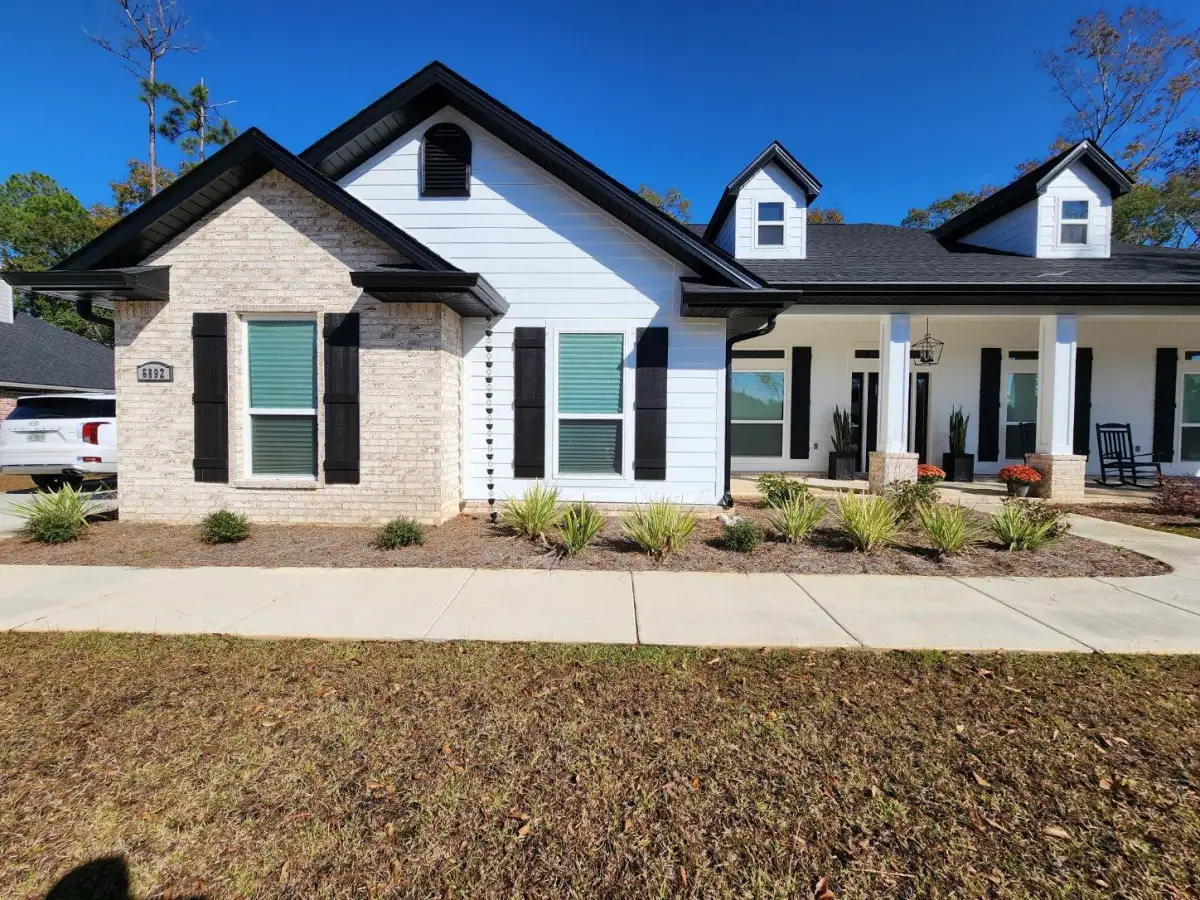
A landscaping proposal should explain how the finished yard will work, not just name plants and materials. In Milton, the useful questions start with the property itself: where water moves during a hard rain, which areas get full sun or deep shade, how irrigation reaches new beds, what maintenance fits your schedule, and whether later outdoor projects need to be considered now.
Homeowners comparing professional landscaping services can use the questions below to define the job and compare estimates on equal terms. If you are planning work locally, the Milton service-area guide also connects you to drainage, sod, irrigation, patios and other related services available in the area.
What problem should the landscaping solve first?
Start with priorities rather than a shopping list. You may want a cleaner front entry, privacy around a patio, fewer bare areas, a more manageable lawn, refreshed beds, or a complete layout for a new home. Rank the outcomes that matter most and point out the parts of the yard that currently fail.
This prevents a visual upgrade from covering a practical problem. For example, new mulch may temporarily hide erosion, and new plants may struggle if water repeatedly collects in the same low spot. A clear first priority also helps separate essential site work from optional enhancements when the project needs to fit a budget.
How will drainage and grading affect the plan?
Show the contractor where water stands, mulch moves, soil washes, downspouts discharge, or turf stays soft after rain. Those observations matter even if the yard is dry during the site visit. New bed edges, soil, sod and hardscape transitions can change how water moves, so the plan should account for existing flow before installation begins.
Ask whether the proposed work changes the grade and whether a separate drainage solution should happen first. Not every wet area requires the same response, but recurring water problems deserve an explanation before plants or sod cover the site.
Why do these plants fit each part of the yard?
A plant list is more useful when every choice is tied to a location. Ask about sunlight, mature size, water needs, spacing, seasonal appearance and the amount of pruning or cleanup the plant is likely to require. The front of a Milton home may contain harsh afternoon sun, roof runoff, reflected heat and shaded corners within a short distance.
Florida-Friendly Landscaping principles offer a helpful lens: place plants where their light and water needs fit, water efficiently, use mulch thoughtfully and keep runoff in mind. The goal is not a single “Florida” look. It is a planting plan that suits the conditions and the level of upkeep you actually want.
Does irrigation support the new beds and sod?
Existing sprinkler coverage may not match a changed landscape. A former turf zone can become a planting bed, new shrubs can block spray, and a dry corner may still sit beyond the reach of a head. Ask how coverage will be checked and whether heads, zones or schedules need to change.
If the property needs a new irrigation system, coordinate it before installing finished beds and new sod. That order can reduce disturbance and makes it easier to give turf and planting areas different watering schedules when needed.
What exactly is included in the estimate?
A written estimate should make the work easy to picture. Look for the areas included, removal and site preparation, bed layout, plant sizes and quantities, soil or mulch, edging, sod transitions, irrigation or drainage adjustments, cleanup, exclusions and the payment schedule. If substitutions may be needed, ask how they will be discussed.
When one proposal uses an hourly rate, do not judge the number by itself. Crew size, equipment, material handling, disposal and preparation can make two hourly figures describe very different scopes. Compare the expected result and what is included before comparing the pricing format.
Can the project be phased without creating rework?
Phasing can make sense when the front yard is urgent but a patio, lighting plan or backyard project will come later. Ask which work must happen first and what should remain accessible. Future trenching, grading, material delivery and equipment access can all affect where the first phase should stop.
A first phase might address drainage, irrigation and foundation beds, followed later by sod, paver patios or landscape lighting. The exact sequence depends on the property, but the later phase should be visible in the plan before the early work is installed.
What maintenance will the finished landscape require?
Ask what needs attention during establishment and what the normal routine looks like afterward. New sod and plants may need closer watering checks at first, while long-term care depends on plant growth, pruning, mulch depth, weeds, irrigation adjustments and seasonal cleanup.
Be direct about how much maintenance you want to handle. A design can look clean at installation and still be a poor fit if plants quickly outgrow walkways, require more pruning than expected or depend on irrigation coverage the property does not have. The maintenance conversation belongs in the planning stage.
What should happen during the site visit?
Walk the full project area and explain how the space is used. Note pets, play areas, gates, septic or utility access, views you want to screen, plants that should remain, and future additions. Share photos of drainage problems if they only appear during rain, and mention any known property or neighborhood restrictions that could affect the work.
The visit should leave both sides with the same understanding of the goal, site constraints, project boundaries and next step. If a proposal still leaves those points unclear, ask for clarification before booking.
Planning a landscaping project in Milton?
Tell Way's Lawn and Landscape LLC what needs to change and where the property is located. We can review the site and prepare an estimate around the landscaping, drainage, irrigation, sod and outdoor features involved.
Frequently Asked Questions
What questions should I ask before booking landscaping in Milton, FL?
Ask what areas and preparation are included, how drainage and irrigation affect the plan, why the proposed plants fit each location, how materials and quantities are described, what maintenance the finished landscape will need, and how future phases will be protected.
Should drainage be addressed before new landscaping?
Recurring standing water, washouts, moving mulch, or persistently soggy areas should be evaluated before new beds or sod are installed. The plan should account for grading, downspout discharge, runoff paths, and irrigation so new work is not placed over an unresolved water problem.
How should I compare landscaping estimates?
Compare the defined work, preparation, materials, plant sizes and quantities, removal and cleanup, irrigation or drainage adjustments, exclusions, and payment schedule. An hourly figure alone does not show whether two proposals include the same result.
Can a Milton landscaping project be completed in phases?
Yes. A project can be organized by priority, but early work should preserve future drainage, irrigation, lighting, patio, and equipment-access needs. Ask for the phase boundaries and any work that should be completed first.
Does Way's Lawn and Landscape provide landscaping estimates in Milton, FL?
Yes. Way's Lawn and Landscape LLC serves Milton and provides landscaping estimates. Homeowners can use the contact form or call (850) 791-2199 to request a site visit.