
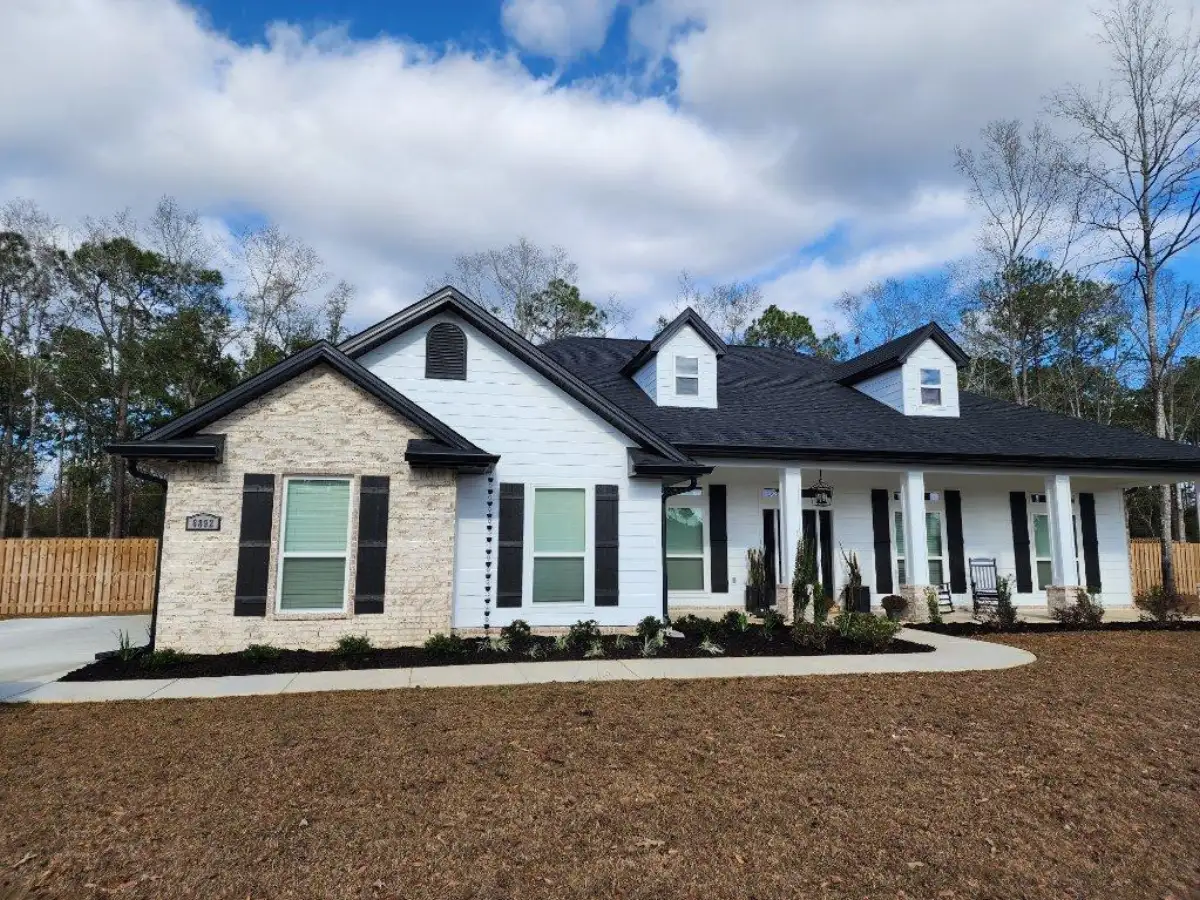
The best landscaping questions are the ones that reveal how a proposal responds to your actual property. In Destin, that means looking beyond plant names and bed shapes. Water movement, sandy conditions, sun, wind, salt exposure near the coast, irrigation coverage, access and everyday use can all change what belongs in the plan.
Use this guide while comparing professional landscaping services and preparing for a site visit. For connected services available locally, the Destin service-area guide covers landscaping, drainage, irrigation, sod, patios, lighting and outdoor living work.
What should the landscaping improve first?
Begin with the result you need, not a list of materials. One property may need a more welcoming entry. Another may need shade around a sitting area, privacy from a neighboring lot, a cleaner route from the driveway, fewer bare areas, or planting beds that are easier to maintain. Put those priorities in order before discussing individual plants.
Also explain how the property is used. A full-time residence, second home and short-term rental can have different expectations for upkeep, durability and guest circulation. The landscaping should support that use without assuming every part of the yard needs the same treatment.
How will rainwater move after the work is finished?
Destin's stormwater system makes this an important planning question. The City of Destin explains that runoff from roads, lawns and common areas can be directed into the soil through shallow, graded swales. Filling a low area, adding edging or changing a bed line can affect that path even when the work looks minor.
Show the contractor where water stands, mulch washes out, soil erodes or downspouts discharge. Photos taken during or soon after a hard rain are useful when the yard is dry during the site visit. Ask whether grading will change, whether an existing swale needs to remain open and whether a separate drainage solution should be completed before planting or sod.
Why do the proposed plants fit these exact locations?
A good plant choice has to fit more than a coastal theme. Ask about the hours of direct sun, reflected heat from walls and pavement, mature width and height, root space, soil conditions, irrigation coverage and routine pruning. On properties closer to open water, wind and salt exposure may narrow the practical choices; more sheltered yards can have different conditions within the same neighborhood.
Florida-Friendly Landscaping principles provide a useful framework: put the right plant in the right place, water efficiently, fertilize appropriately, mulch, support wildlife, manage pests responsibly, recycle yard waste, reduce stormwater runoff and protect waterfronts. Ask how the proposal applies the relevant principles to your site rather than using them as a generic label.
Will the irrigation plan match the new landscape?
Existing sprinkler zones may have been designed for a different layout. New shrubs can block spray, converted lawn areas may need different watering, and beds with unlike water needs should not be treated as though they are one zone. Ask how existing coverage will be checked and what adjustments are included.
If a new irrigation system or major repair is needed, coordinate it before finished beds and sod installation. The proposal should also distinguish establishment watering from the longer-term schedule. More water is not automatically better, especially when runoff or low areas are already a concern.
What preparation and materials are included?
Two estimates can use the same project name and still describe different work. Look for the area being changed, removal, debris handling, grading, soil or amendments, bed definition, plant sizes and quantities, mulch type and depth, edging, sod transitions, irrigation or drainage adjustments and final cleanup.
Ask how substitutions will be approved if a specified plant or material is unavailable. A substitute should still fit the intended location, mature size, water needs and design role. If the proposal uses allowances or hourly work, ask what is covered by those figures and what could change the final amount.
Are access, utilities and property rules accounted for?
Point out gates, narrow side yards, pool equipment, septic components, utility boxes, buried lines and areas that must remain open. Material delivery and equipment access can affect the sequence and may limit where soil, plants or debris can be staged.
If the property has association rules, architectural review or rental-management standards, confirm any approvals before installation. Larger changes involving drainage, structures, walls, electrical work or right-of-way areas may also require separate review. Ask who is responsible for confirming the requirements that apply to the proposed scope.
Can patios, lighting and later phases be coordinated now?
Landscaping often connects to work that will happen later. Future trenching, excavation and equipment access can disturb finished beds if the sequence is not considered early. Tell the contractor about any planned pool work, fence changes, paver patio, outdoor kitchen or landscape lighting, even if it is not part of the current estimate.
A phased plan should identify what must happen first, what can wait and which areas need to remain accessible. Drainage and underground utilities usually deserve attention before the final planting and surface finishes. The exact order depends on the property, but it should be clear before work begins.
What maintenance will the finished yard need?
Ask what care is needed during establishment and what the normal routine should look like afterward. New plants and sod may need closer monitoring at first. Long-term work can include irrigation checks, pruning, weed control, mulch renewal, fertilization and seasonal cleanup.
Be honest about how often someone will be on the property and how much maintenance you want to manage. A planting design can look polished on installation day and still be the wrong fit if plants quickly block a walkway, require frequent shaping or depend on close irrigation attention that the property will not receive.
What should be clear before you book?
Before approving the work, both sides should agree on the project boundaries, intended result, included preparation, material and plant details, access plan, responsibilities, payment schedule and next steps. Ask for clarification anywhere the proposal relies on broad terms such as “landscape refresh” without describing what changes.
A useful site visit should connect your priorities to the property conditions. Bring photos of rain-related problems, note what should remain, mention future projects and share any known rules or access limits. That information gives the estimate a clearer starting point.
Planning landscaping in Destin?
Tell Way's Lawn and Landscape LLC what you want to improve and what conditions the property needs to handle. We can review the site and prepare an estimate for the landscaping and related outdoor work involved.
Frequently Asked Questions
What questions should I ask before booking landscaping in Destin, FL?
Ask what site preparation and materials are included, how the plan handles runoff and existing swales, why the proposed plants fit the property's sun and coastal exposure, whether irrigation changes are needed, what maintenance to expect, and how future outdoor projects will be protected.
Should drainage be addressed before new landscaping?
Recurring standing water, washouts, moving mulch, or persistently soggy areas should be evaluated before installing new beds or sod. The landscaping plan should account for grading, downspout discharge, swales, runoff paths, and irrigation so new work does not cover an unresolved water problem.
What are useful landscaping tips for a coastal Florida property?
Match plants to the actual sun, wind, salt exposure, soil, and available irrigation at each location. Allow for mature plant size, protect stormwater flow, group plants with similar water needs, and choose a maintenance level that fits how the property is used.
How should I compare landscaping estimates?
Compare the defined project area, removal and preparation, plant sizes and quantities, soil, mulch and edging, irrigation or drainage adjustments, cleanup, exclusions, payment terms, and how substitutions will be handled. Price alone does not show whether two proposals include the same result.
Does Way's Lawn and Landscape provide landscaping estimates in Destin, FL?
Yes. Way's Lawn and Landscape LLC serves Destin and provides landscaping estimates. Homeowners can use the contact form or call (850) 791-2199 to request a site visit.