
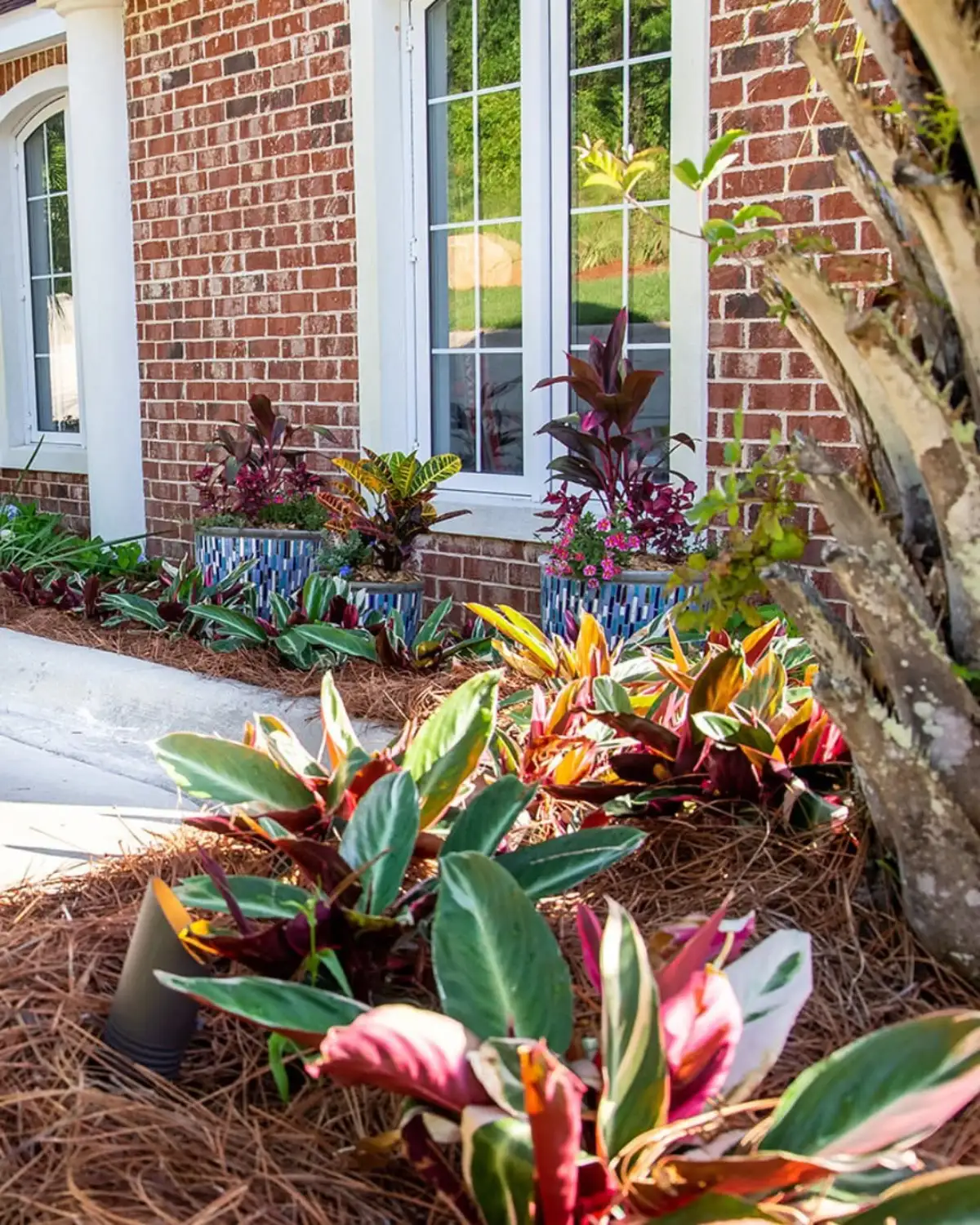
A useful landscaping estimate for a 30A property should explain more than what will be planted. The plan should respond to the yard's sun and wind exposure, sandy conditions, water movement, irrigation, access and any rules that govern exterior changes. Those details help you judge whether a proposal fits the property after installation day.
Use the questions below before comparing landscaping services or approving a scope. The 30A service-area guide also connects landscaping with drainage, irrigation, patios, lighting, sod and outdoor living work available in the area.
What should the contractor learn about the property first?
Start with the problem you want the project to solve. That might be an exposed front entry, planting beds that have outgrown a walkway, poor privacy around an outdoor area, recurring washouts, bare lawn sections or a landscape that needs too much attention between visits. Rank the priorities so the estimate addresses the result, not just a shopping list of plants and materials.
Explain how the home is used, too. A primary residence, second home and rental property may need different levels of maintenance, durability and access. Note which plants, trees and hardscape should remain, where guests or service providers move through the yard and whether any future work is already planned.
Do community or design-review rules apply?
Many 30A properties are part of managed communities, but requirements are not the same everywhere. Before scheduling installation, check whether an association, architectural review group or property manager must approve plant removals, replacement species, bed changes, pavers, lighting, drainage work or exterior equipment.
Ask what documentation the review requires and who will prepare it. Also confirm limits on delivery times, parking, material staging, gate access and debris removal. Clearing those questions before materials arrive can prevent a well-designed project from being delayed by a property rule.
Why do the proposed plants fit each location?
“Coastal” is not a complete plant-selection standard. One side of a home may receive full sun, reflected heat and wind while another stays shaded and protected. Properties closer to open water may face more salt exposure than sheltered lots farther inland. Ask how each plant fits the specific light, wind, soil, root space and irrigation at its location.
Review mature height and width as carefully as the installation size. Plants placed too close to walkways, windows, utilities or outdoor equipment can create avoidable pruning and access problems. Florida-Friendly Landscaping principles offer a useful test: right plant, right place; efficient watering; appropriate mulch and fertilizer; responsible pest management; reduced runoff; wildlife support; yard-waste recycling; and waterfront protection where it applies.
How will water move after beds and grades change?
Sandy soil can drain quickly in one spot while compacted soil, roof runoff or a low grade creates standing water nearby. New edging, raised beds, added soil and hardscape can redirect runoff even when each change looks small. Show the contractor where water collects, mulch moves, soil washes away or downspouts discharge. Photos taken during a hard rain can help when the site is dry at the estimate.
Ask whether the landscape plan preserves existing drainage paths and whether a separate drainage solution is needed before planting or sod. Covering a wet area with new material does not resolve the source of the water, and a drainage adjustment made later can disturb finished work.
Will irrigation match the new planting plan?
Existing sprinkler zones may have been laid out for a different lawn and bed configuration. New plants can block spray, converted turf can leave unnecessary heads running, and a single zone may serve plants with very different needs. Ask how coverage will be checked, which heads or zones will change and whether those adjustments are included in the estimate.
If the property needs a new irrigation system or substantial repair, coordinate it before final beds and sod installation. The care plan should distinguish short-term establishment watering from the normal schedule after roots begin to develop.
What preparation and materials are included?
Ask the estimate to define the work area and the condition it will be left in. Useful line items may include plant or turf removal, debris hauling, grading, soil or amendments, plant sizes and quantities, mulch type and depth, edging, irrigation or drainage changes, surface repairs and final cleanup.
If a plant or material becomes unavailable, clarify how substitutions will be approved. A replacement should still fit the design role, mature size, exposure and water needs. When an estimate includes allowances or hourly work, ask what those figures cover and what conditions could change the final total.
Can the crew and materials reach the work area?
Access can shape both the installation plan and the price. Point out narrow gates, shared drives, stairs, fences, pool equipment, utility boxes, septic components and surfaces that must be protected. Ask where plants, soil, mulch and removed material can be staged without blocking neighbors, guests or property operations.
If you will not be at the property during the work, agree on access, update and decision procedures before the start date. The contractor should know who can approve a substitution or respond to an unexpected site condition so the project does not depend on an unclear handoff.
Should patios, lighting or other phases be coordinated now?
Tell the contractor about planned fence work, pool changes, a paver patio, outdoor kitchen, utility run or landscape lighting, even when that work is not part of the current estimate. Future trenching or equipment access can damage new planting if the sequence is ignored.
A phased plan should identify what needs to happen below grade, which areas must stay open and what can be finished without creating rework. Drainage, irrigation, power and major hardscape usually deserve early coordination; the exact order should reflect the site and the approved scope.
What care will the finished landscape need?
Ask for a clear difference between establishment care and long-term maintenance. New plants and sod may need closer monitoring at first. Later needs can include irrigation checks, pruning, weed control, mulch renewal, fertilization and seasonal cleanup.
Match the design to the attention the property will actually receive. A planting scheme that requires frequent shaping or close watering may not suit a home that sits vacant for stretches of time. Discuss who will notice irrigation problems, storm damage or plant stress and how quickly those conditions are likely to be addressed.
What should be settled before you book?
Before approving work, confirm the project boundaries, intended outcome, included preparation, plants and materials, access plan, required approvals, responsibilities, payment schedule, cleanup and change process. Compare estimates line by line; a lower total may simply leave out preparation or coordination that another proposal includes.
A productive site visit begins with useful information. Bring photos of water problems, existing irrigation notes if available, community guidelines, a list of what must stay and the priorities you want the finished landscape to support.
Planning landscaping along 30A?
Tell Way's Lawn and Landscape LLC what you want to improve, how the property is used and which site conditions or community rules need to be considered. We can review the property and prepare an estimate for the landscaping and related outdoor work involved.
Frequently Asked Questions
What should I ask a landscape contractor before booking work in 30A, FL?
Ask how the plan responds to the property's sun, wind, salt exposure, soil, runoff and irrigation; what removal, preparation, materials and cleanup are included; whether access or community approvals affect the work; what care the finished landscape will need; and how changes or substitutions will be handled.
Do I need community approval before changing landscaping on 30A?
Requirements depend on the property and community. Before booking, check whether an association, architectural review group or property manager must approve plant removals, replacement species, bed changes, hardscape, lighting, drainage work or material staging.
How do Florida-Friendly Landscaping principles apply to a 30A property?
They provide a practical way to evaluate a plan: put the right plant in the right place, water efficiently, mulch appropriately, manage fertilizer and pests responsibly, reduce runoff, support wildlife, recycle yard waste and protect waterfronts where applicable. The useful question is how those principles fit the conditions at each part of the property.
How should I compare landscaping estimates?
Compare the same scope line by line: project boundaries, removal and preparation, plant sizes and quantities, soil or amendments, mulch and edging, irrigation or drainage adjustments, access, cleanup, exclusions, payment terms, substitutions and expected maintenance. A lower total may reflect a different scope rather than a better value.
Does Way's Lawn and Landscape provide landscaping estimates in 30A, FL?
Yes. Way's Lawn and Landscape LLC serves 30A and provides landscaping estimates. Homeowners can use the contact form or call (850) 791-2199 to request a site visit.